
Understanding Cardiology: The Science of Heart Health

Cardiology is the branch of medicine that focuses on the diagnosis, treatment, and prevention of heart-related diseases. Heart diseases have become a leading cause of death globally. In this blog post, we will discuss the science of cardiology and the different aspects of heart health.
- Anatomy and Physiology of the Heart: The heart is a muscular organ that pumps blood throughout the body. Understanding the anatomy and physiology of the heart is crucial for the diagnosis and treatment of heart diseases. The heart has four chambers and four valves, which work together to regulate blood flow. The blood vessels that supply the heart with oxygen and nutrients can also be affected by disease, leading to conditions such as coronary artery disease.
- Common Heart Diseases: There are several common heart diseases that fall under the umbrella of cardiology. These include coronary artery disease, heart failure, arrhythmia, and valve disease. Each of these conditions has unique symptoms and treatment options. Understanding the signs and symptoms of these diseases can help individuals seek timely medical attention.
- Diagnostic Tests: There are several diagnostic tests used in cardiology to diagnose heart diseases. These tests include electrocardiograms (ECGs), echocardiograms, stress tests, and cardiac catheterization. Each of these tests provides valuable information about the heart's structure and function, allowing doctors to diagnose and treat heart diseases effectively.
- Treatment Options: The treatment options for heart diseases vary depending on the type and severity of the condition. Treatment options can range from lifestyle changes, such as diet and exercise, to medication and surgical procedures. In some cases, heart diseases can be prevented by adopting a healthy lifestyle, while in other cases, ongoing medical treatment may be necessary.
- Prevention: Prevention is an essential aspect of cardiology. Adopting a healthy lifestyle, such as regular exercise and a healthy diet, can reduce the risk of developing heart diseases. Additionally, regular check-ups with a cardiologist can help identify risk factors for heart diseases and provide preventative measures to reduce the risk.
Cardiology is a vital field of medicine that focuses on the prevention, diagnosis, and treatment of heart diseases. Understanding the anatomy and physiology of the heart, common heart diseases, diagnostic tests, treatment options, and prevention can help individuals take control of their heart health. By adopting healthy lifestyle habits and seeking timely medical attention, individuals can reduce their risk of heart diseases and live a healthier life.
Truway Health News & Insights
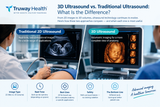
3D Ultrasound vs. Traditional Ultrasound: What Is the Difference?
Introduction Ultrasound is one of the most widely used medical imaging technologies. It uses high-fr...

Autumn Healthcare Tips & Tricks: A Simple Guide to Staying Well This Season
As the leaves change, so do our routines. Autumn brings cooler temperatures, shorter days, changing...
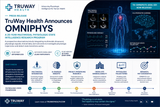
TruWay Health Announces OMNIPHYS: A 20-Year Multimodal Physiologic State Intelligence Research Program
PRESS RELEASE TruWay Health Announces OMNIPHYS: A 20-Year Multimodal Physiologic State Intellige...
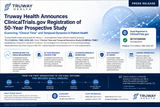
Truway Health Announces ClinicalTrials.gov Registration of 50-Year Prospective Study Examining “Clinical Time” and Temporal Dynamics in Patient Health
PRESS RELEASE Truway Health Announces ClinicalTrials.gov Registration of 50-Year Prospective...

TruWay Health Advances FUSION-72 Study to Investigate Multimodal Digital Biomarkers for Acute Deterioration
TruWay Health Advances FUSION-72 Study to Investigate Multimodal Digital Biomarkers for Acute Deteri...
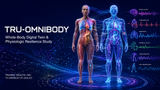
Truway Health Releases TRU-OMNIBODY Whole-Body Digital Twin and Physiologic Resilience Study
FOR IMMEDIATE RELEASE Truway Health Releases TRU-OMNIBODY Whole-Body Digital Twin and Physiologic Re...