
Innovations in Medical Technology: Advancing Patient Care

Medical technology has been at the forefront of transforming healthcare, revolutionizing patient care in unprecedented ways. From diagnostic tools to treatment methods, innovative medical technologies are empowering healthcare professionals to deliver more accurate diagnoses, personalized treatments, and improved patient outcomes. In this blog post, we will explore some of the most groundbreaking innovations in medical technology and their profound impact on advancing patient care.
- AI-Driven Diagnostics
Artificial Intelligence (AI) has ushered in a new era of medical diagnostics. AI algorithms can analyze vast amounts of patient data, including medical images, lab results, and patient histories, with incredible speed and accuracy. This capability enables early detection of diseases, such as cancer, and assists healthcare professionals in making more precise diagnoses, leading to timely and targeted treatments.
- Telemedicine and Remote Monitoring
Telemedicine has bridged the gap between patients and healthcare providers, particularly in remote or underserved areas. Virtual consultations and remote monitoring tools allow patients to receive timely medical advice and treatment without the need for physical visits. This technology not only improves accessibility but also enables better management of chronic conditions through continuous monitoring.
- Robotics-Assisted Surgery
Robotics-assisted surgery has transformed the field of surgery, offering enhanced precision and control to surgeons. With robotic systems, surgeons can perform complex procedures through smaller incisions, resulting in reduced scarring, shorter hospital stays, and faster recovery times for patients. This technology is continuously evolving, opening up new possibilities for minimally invasive procedures across various specialties.
- Wearable Health Devices
Wearable health devices, such as fitness trackers and smartwatches, have become increasingly popular among consumers. These devices can monitor vital signs, activity levels, sleep patterns, and more. For healthcare professionals, the data collected by wearables offers valuable insights into patients' health, enabling personalized care plans and early detection of potential health issues.
- 3D Printing in Medicine
The integration of 3D printing technology in medicine has been a game-changer. It allows the creation of patient-specific models, implants, and prosthetics, tailored to individual needs and anatomies. From surgical planning to the fabrication of customized medical devices, 3D printing has significantly improved patient care and treatment outcomes.
- Nanotechnology for Drug Delivery
Nanotechnology has opened up new possibilities in drug delivery systems. Nanoparticles can transport medications directly to targeted areas within the body, improving drug efficacy and reducing side effects. This advancement is especially promising in cancer treatment, where targeted drug delivery can enhance the effectiveness of therapies while sparing healthy tissues.
- Virtual Reality (VR) in Pain Management and Rehabilitation
Virtual Reality (VR) technology has found applications in pain management and rehabilitation. By immersing patients in virtual environments, VR can distract from pain and anxiety during medical procedures or assist in physical therapy for improved recovery. Moreover, VR is being used to train medical students and professionals, enhancing their skills and knowledge.
- Internet of Medical Things (IoMT)
The Internet of Medical Things (IoMT) refers to the interconnectivity of medical devices and applications through the internet. IoMT enables real-time data monitoring and analysis, facilitating early detection of health issues and enabling timely interventions. It also streamlines communication between medical devices and healthcare providers, enhancing patient care and safety.
Innovations in medical technology have transformed healthcare delivery and patient care on a global scale. From AI-powered diagnostics and robotics-assisted surgery to wearable health devices and nanotechnology, these advancements are revolutionizing how healthcare is delivered and experienced. As these technologies continue to evolve, the future of patient care holds even more promise with increased precision, personalization, and accessibility.
As a medical supply and equipment distribution business, we are dedicated to providing healthcare facilities with cutting-edge medical technologies that empower healthcare professionals to deliver the best possible care to their patients. Together, we can embrace and harness the power of medical innovation to shape a healthier and more prosperous future for all.
Truway Health News & Insights
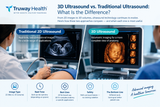
3D Ultrasound vs. Traditional Ultrasound: What Is the Difference?
Introduction Ultrasound is one of the most widely used medical imaging technologies. It uses high-fr...

Autumn Healthcare Tips & Tricks: A Simple Guide to Staying Well This Season
As the leaves change, so do our routines. Autumn brings cooler temperatures, shorter days, changing...
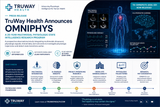
TruWay Health Announces OMNIPHYS: A 20-Year Multimodal Physiologic State Intelligence Research Program
PRESS RELEASE TruWay Health Announces OMNIPHYS: A 20-Year Multimodal Physiologic State Intellige...
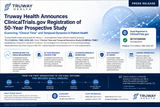
Truway Health Announces ClinicalTrials.gov Registration of 50-Year Prospective Study Examining “Clinical Time” and Temporal Dynamics in Patient Health
PRESS RELEASE Truway Health Announces ClinicalTrials.gov Registration of 50-Year Prospective...
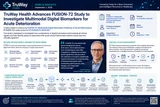
TruWay Health Advances FUSION-72 Study to Investigate Multimodal Digital Biomarkers for Acute Deterioration
TruWay Health Advances FUSION-72 Study to Investigate Multimodal Digital Biomarkers for Acute Deteri...
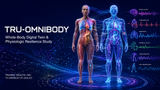
Truway Health Releases TRU-OMNIBODY Whole-Body Digital Twin and Physiologic Resilience Study
FOR IMMEDIATE RELEASE Truway Health Releases TRU-OMNIBODY Whole-Body Digital Twin and Physiologic Re...