
How to prepare for allergy season?
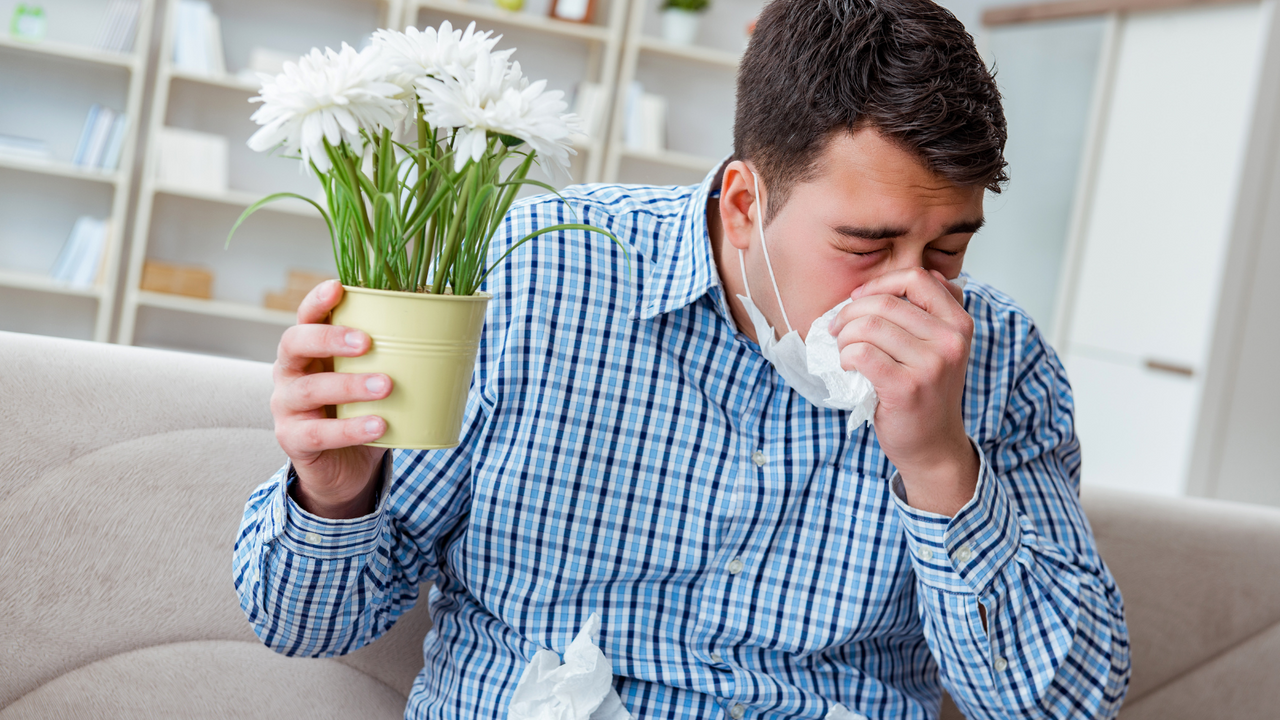
Allergy season can be a challenging time for people who suffer from allergies. It can cause discomfort and disrupt your daily activities. Allergies are caused by your body's immune system overreacting to a substance that is normally harmless. Some common allergens include pollen, dust mites, animal dander, and mold spores. Preparing for allergy season can help you alleviate symptoms and enjoy the season. Here are some tips to help you prepare for allergy season.
- Know your triggers: The first step in preparing for allergy season is to know your triggers. Different people may have different triggers. Some common triggers include pollen, grass, dust mites, and mold. By knowing your triggers, you can take steps to avoid them.
- Check the pollen count: Check the pollen count in your area. You can do this by checking your local weather forecast or online. If the pollen count is high, it may be best to stay indoors. If you need to go outside, consider wearing a mask.
- Keep your windows closed: Keep your windows and doors closed during allergy season. This will help prevent allergens from entering your home. Use an air conditioner instead of a fan to cool your home.
- Clean your home regularly: Regular cleaning can help reduce allergens in your home. Use a vacuum cleaner with a HEPA filter to remove dust, pollen, and pet dander. Wash your bedding and curtains regularly in hot water.
- Use a nasal rinse: Using a nasal rinse can help alleviate allergy symptoms. A nasal rinse can help flush out allergens from your nasal passages. You can purchase a nasal rinse kit at your local pharmacy.
- Take allergy medication: If your allergy symptoms are severe, you may need to take allergy medication. Antihistamines, decongestants, and nasal corticosteroids can help alleviate allergy symptoms. Consult with your doctor before taking any medication.
- Wear a mask: If you need to go outside during allergy season, consider wearing a mask. A mask can help filter out pollen and other allergens.
Preparing for allergy season can help you alleviate symptoms and enjoy the season. By knowing your triggers, checking the pollen count, keeping your windows closed, cleaning your home regularly, using a nasal rinse, taking allergy medication, and wearing a mask, you can reduce your exposure to allergens and feel better. Consult with your doctor if you have severe allergy symptoms or if you are unsure about any of these tips.
Truway Health News & Insights

3D Ultrasound vs. Traditional Ultrasound: What Is the Difference?
Introduction Ultrasound is one of the most widely used medical imaging technologies. It uses high-fr...
Autumn Healthcare Tips & Tricks: A Simple Guide to Staying Well This Season
As the leaves change, so do our routines. Autumn brings cooler temperatures, shorter days, changing...

TruWay Health Announces OMNIPHYS: A 20-Year Multimodal Physiologic State Intelligence Research Program
PRESS RELEASE TruWay Health Announces OMNIPHYS: A 20-Year Multimodal Physiologic State Intellige...
Truway Health Announces ClinicalTrials.gov Registration of 50-Year Prospective Study Examining “Clinical Time” and Temporal Dynamics in Patient Health
PRESS RELEASE Truway Health Announces ClinicalTrials.gov Registration of 50-Year Prospective...

TruWay Health Advances FUSION-72 Study to Investigate Multimodal Digital Biomarkers for Acute Deterioration
TruWay Health Advances FUSION-72 Study to Investigate Multimodal Digital Biomarkers for Acute Deteri...

Truway Health Releases TRU-OMNIBODY Whole-Body Digital Twin and Physiologic Resilience Study
FOR IMMEDIATE RELEASE Truway Health Releases TRU-OMNIBODY Whole-Body Digital Twin and Physiologic Re...