
How Covid-19 Reshaped The Healthcare System?

The COVID-19 pandemic has had a profound impact on the healthcare system, both in terms of the way healthcare is delivered and the way it is funded. Here are a few ways in which the pandemic has changed the healthcare system:
- Telemedicine has become more widespread: In an effort to reduce the spread of COVID-19, many healthcare providers have turned to telemedicine, which allows patients to receive medical care remotely through video conferencing or phone calls. This has made it easier for people to access healthcare, especially those who live in rural areas or who have mobility issues.
- The use of personal protective equipment (PPE) has increased: To protect healthcare workers from infection, the use of PPE such as masks, gloves, and gowns has become much more widespread. This has led to a shortage of PPE in some areas, highlighting the need for better supply chain management in the healthcare system.
- The importance of public health has been highlighted: The pandemic has demonstrated the importance of public health measures such as vaccination, contact tracing, and quarantine in controlling the spread of infectious diseases. This has led to a renewed focus on public health and the need for more funding and resources to support these efforts.
- The economic impact of the pandemic has been significant: The pandemic has had a severe economic impact, with many people losing their jobs and experiencing financial difficulties. This has led to an increase in the number of people who are uninsured or underinsured, putting a strain on the healthcare system.
- The role of healthcare workers has been recognized: The pandemic has brought attention to the vital role that healthcare workers play in keeping communities healthy. Many healthcare workers have worked long hours and put themselves at risk to care for COVID-19 patients, and their dedication and sacrifice has been widely appreciated.
Overall, the COVID-19 pandemic has had a significant impact on the healthcare system, highlighting the importance of telemedicine, PPE, public health measures, and the role of healthcare workers. It has also revealed the need for better funding and resources to support these efforts, as well as the importance of being prepared for future public health crises.
Truway Health News & Insights
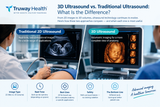
3D Ultrasound vs. Traditional Ultrasound: What Is the Difference?
Introduction Ultrasound is one of the most widely used medical imaging technologies. It uses high-fr...

Autumn Healthcare Tips & Tricks: A Simple Guide to Staying Well This Season
As the leaves change, so do our routines. Autumn brings cooler temperatures, shorter days, changing...
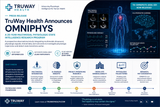
TruWay Health Announces OMNIPHYS: A 20-Year Multimodal Physiologic State Intelligence Research Program
PRESS RELEASE TruWay Health Announces OMNIPHYS: A 20-Year Multimodal Physiologic State Intellige...
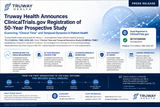
Truway Health Announces ClinicalTrials.gov Registration of 50-Year Prospective Study Examining “Clinical Time” and Temporal Dynamics in Patient Health
PRESS RELEASE Truway Health Announces ClinicalTrials.gov Registration of 50-Year Prospective...
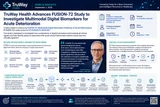
TruWay Health Advances FUSION-72 Study to Investigate Multimodal Digital Biomarkers for Acute Deterioration
TruWay Health Advances FUSION-72 Study to Investigate Multimodal Digital Biomarkers for Acute Deteri...
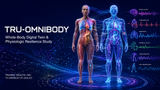
Truway Health Releases TRU-OMNIBODY Whole-Body Digital Twin and Physiologic Resilience Study
FOR IMMEDIATE RELEASE Truway Health Releases TRU-OMNIBODY Whole-Body Digital Twin and Physiologic Re...