
Advancements in Robotic Surgery: Transforming Surgical Procedures

Surgical procedures have witnessed a remarkable transformation with the advent of robotic surgery. Robotic systems offer enhanced precision, flexibility, and visualization, revolutionizing the way surgeries are performed. In this blog post, we will explore the advancements in robotic surgery and discuss the transformative impact it has on patient outcomes, surgical techniques, and the future of healthcare.
- The Rise of Robotic Surgery: Robotic surgery involves the use of robotic systems to assist surgeons in performing complex procedures with improved precision and control. The da Vinci Surgical System, one of the most widely recognized robotic platforms, employs robotic arms controlled by the surgeon through a console, offering a three-dimensional view and high-definition visualization.
- Enhanced Precision and Dexterity: Robotic systems provide surgeons with greater precision and dexterity compared to traditional laparoscopic techniques. The robotic arms can replicate the surgeon's hand movements with enhanced precision, filtering out any tremors and allowing for intricate procedures in tight spaces. This level of precision minimizes tissue damage, reduces blood loss, and accelerates patient recovery.
- Improved Visualization: Robotic surgery offers high-definition 3D visualization, providing surgeons with a detailed and magnified view of the surgical site. The improved depth perception allows for better identification of anatomical structures and precise maneuvering in complex surgeries. This visualization advantage enhances surgical accuracy and reduces the risk of complications.
- Minimally Invasive Procedures: Robotic surgery enables minimally invasive procedures, also known as keyhole surgeries, which involve smaller incisions compared to traditional open surgeries. The smaller incisions result in reduced scarring, less post-operative pain, shorter hospital stays, and faster recovery times for patients. Robotic technology enables surgeons to perform intricate procedures through these small incisions with enhanced precision and control.
- Application in Various Surgical Specialties: Robotic surgery has expanded its applications across a wide range of surgical specialties. It has proven particularly effective in urology, gynecology, thoracic surgery, and colorectal surgery. For example, in urology, robotic systems are used for prostatectomies, offering improved cancer control and reduced post-operative complications. In gynecology, robotic-assisted procedures enable precise removal of fibroids or hysterectomies with minimal impact on surrounding tissues.
- Remote Surgery and Telesurgery: One of the future possibilities of robotic surgery is remote surgery, where surgeons can perform procedures on patients located in different geographical locations. This can greatly benefit patients in remote or underserved areas by granting access to specialized surgical expertise. Telesurgery also holds promise in emergency situations and military healthcare settings, where real-time guidance from expert surgeons can be invaluable.
- Training and Learning Opportunities: Robotic surgery provides unique training opportunities for aspiring surgeons. Virtual simulators allow surgeons to practice procedures and develop skills in a controlled environment. Robotic platforms also facilitate mentorship and collaboration, as experienced surgeons can remotely guide and teach new surgeons during procedures, enhancing the learning curve and promoting knowledge sharing.
Advancements in robotic surgery have revolutionized the field of surgery, transforming procedures and patient outcomes. The precision, visualization, and minimally invasive nature of robotic systems have enabled surgeons to perform complex surgeries with enhanced accuracy and reduced risks. As technology continues to evolve, robotic surgery holds the promise of expanding its applications, improving access to specialized care, and further advancing the frontiers of surgical innovation. With ongoing research, development, and training, robotic surgery is set to play an increasingly vital role in the future of healthcare.
Truway Health News & Insights

How to Build a Rewarding Nursing Career Step by Step
For aspiring nurses weighing a meaningful healthcare career against the demands of real-life caregiv...

Mapping the Next Frontier of Immunotherapy: QSIT Expands Its Scientific Intelligence Program
Truway Health has expanded the scientific-intelligence framework supporting the Electromagnetic Immu...
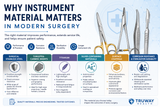
Why Instrument Material Matters in Modern Surgery
Material Is a Functional Decision, Not Just a Specification A surgical instrument may look simple, b...

Today’s QSIT ImmunoNet Findings: Legionella, White Blood Cells, Ferroptosis, and the Future of Immune-Metabolic Mapping
A New Intelligence Layer for Immune Forecasting Today’s Truway Health QSIT ImmunoNet review focused...

Spatial Biology: Mapping Cells in Three Dimensions
For decades, scientists have studied cells one at a time. Spatial biology is changing that by reveal...

The Future of Liquid Biopsies: Detecting Disease with a Blood Sample
The Future of Liquid Biopsies: Detecting Disease with a Blood Sample Imagine detecting certain disea...