
Winter Healthcare Preparedness: Essential Supplies for Every Household
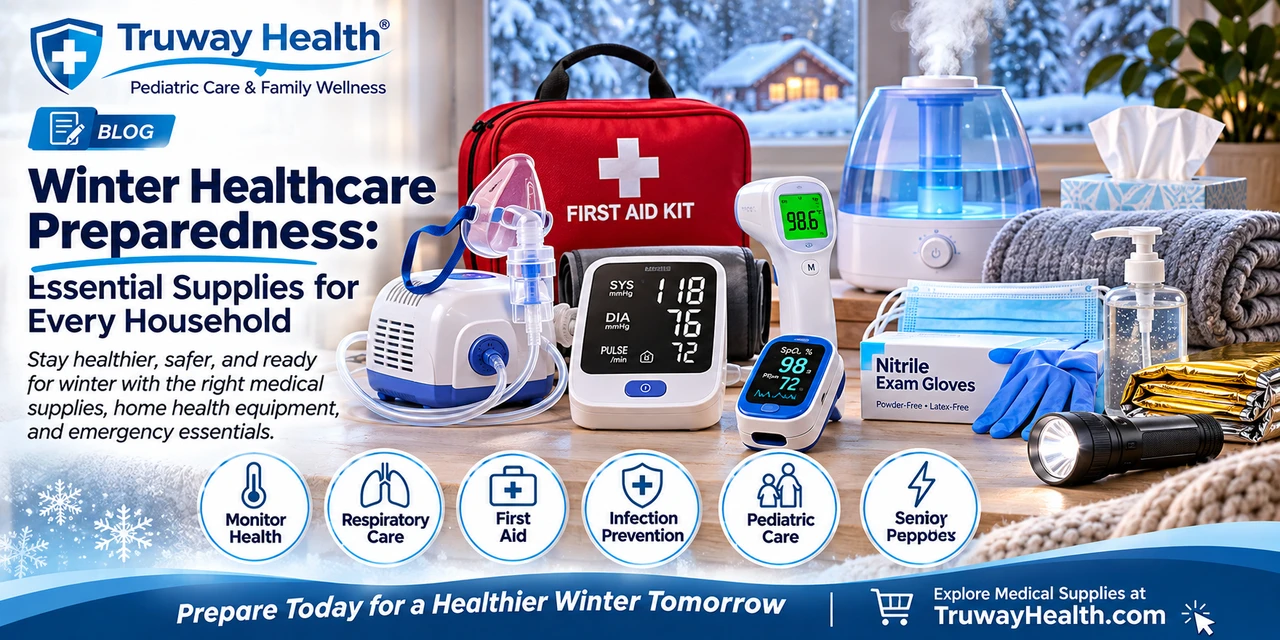
Building a healthier, safer, and better-prepared home throughout the winter season.
As temperatures decline and winter weather becomes more frequent, households face a unique set of healthcare challenges. Seasonal respiratory illnesses, freezing temperatures, severe weather, power outages, and disruptions to transportation can affect access to essential medical supplies and healthcare services.
Preparing your household before these challenges arise can help reduce unnecessary stress, support continuity of care, and improve readiness for unexpected circumstances.
At Truway Health, we believe healthcare preparedness begins at home. From diagnostic equipment and respiratory care accessories to first aid supplies and infection prevention products, maintaining an organized inventory of essential healthcare supplies is an important part of winter wellness.
1. Prepare for Seasonal Respiratory Illnesses
Winter often brings increased circulation of respiratory viruses, including influenza, respiratory syncytial virus (RSV), and COVID-19.
Having appropriate healthcare equipment readily available can help families monitor symptoms, maintain hygiene, and manage routine care needs.
Essential respiratory healthcare supplies include:
-
Digital thermometers.
-
Fingertip pulse oximeters.
-
Nebulizers and compatible accessories.
-
Saline nasal sprays.
-
Humidifiers.
-
Disposable face masks.
-
Facial tissues.
-
Hand sanitizers.
Individuals with asthma, chronic obstructive pulmonary disease (COPD), or other respiratory conditions should ensure their prescribed medications and respiratory equipment are available and functioning properly.
Home diagnostic equipment supports monitoring but does not replace professional medical evaluation. Seek immediate medical attention for severe breathing difficulties, chest pain, confusion, or other emergency symptoms.
2. Build a Comprehensive Household First Aid Kit
A well-stocked first aid kit is essential throughout the year, but winter conditions introduce additional risks associated with icy surfaces, falls, burns, and weather-related injuries.
Every household should consider maintaining the following supplies:
-
Adhesive bandages in assorted sizes.
-
Sterile gauze pads and wound dressings.
-
Medical adhesive tape.
-
Antiseptic wipes.
-
Disposable nitrile examination gloves.
-
Elastic compression bandages.
-
Instant cold packs.
-
Medical scissors and tweezers.
-
Emergency thermal blankets.
-
Basic first aid instructions.
Store first aid supplies in a clearly labeled, accessible location away from excessive moisture and extreme temperatures. Regularly inspect expiration dates, sterile packaging, and inventory levels.
3. Maintain Essential Home Diagnostic Equipment
The growing availability of home healthcare technology allows individuals and caregivers to monitor certain health indicators outside traditional clinical environments.
Common household diagnostic equipment includes digital blood pressure monitors, thermometers, pulse oximeters, blood glucose monitoring systems for individuals who need them, and digital weighing scales.
During winter, these devices may be particularly useful for individuals managing chronic health conditions, older adults, and households with young children.
Reliable home monitoring begins with proper equipment selection, correct measurement techniques, and regular maintenance.
Keep spare batteries available, follow manufacturer operating instructions, and consult a healthcare professional when measurements are abnormal or symptoms worsen.
4. Strengthen Infection Prevention at Home
During the colder months, increased indoor activity and close contact can facilitate the transmission of respiratory infections.
Maintaining a practical infection prevention routine can help reduce exposure to infectious organisms.
Recommended household supplies include:
-
Disposable examination gloves for appropriate caregiving tasks.
-
Well-fitting protective face masks.
-
Hand soap and alcohol-based hand sanitizer.
-
Household surface disinfectants.
-
Disposable cleaning wipes.
-
Waste disposal bags.
-
Sharps disposal containers for households using injectable medications or lancets.
Regular handwashing, appropriate ventilation, respiratory hygiene, and staying home when ill are important components of household infection prevention.
Disinfectants should always be used according to their label instructions. Never mix cleaning chemicals.
5. Protect Against Cold-Weather Health Risks
Exposure to freezing temperatures can increase the risk of hypothermia, frostbite, and other cold-related injuries.
Older adults, infants, individuals with certain chronic medical conditions, and people experiencing prolonged outdoor exposure may be particularly vulnerable.
Cold-weather preparedness supplies may include insulated blankets, emergency thermal blankets, warm clothing, waterproof footwear, flashlights, spare batteries, and portable charging devices.
Households should also maintain functioning smoke alarms and carbon monoxide detectors, particularly when using heating equipment.
Never operate generators, charcoal grills, or outdoor fuel-burning appliances inside a home, garage, or other enclosed space.
6. Prepare for Winter Power Outages and Supply Disruptions
Severe winter storms can interrupt electrical service, delay deliveries, and temporarily restrict access to pharmacies and healthcare facilities.
Households that rely on electrically powered medical equipment should establish an emergency continuity plan.
This is particularly important for individuals using:
-
Home oxygen equipment.
-
CPAP or BiPAP machines.
-
Electrically powered respiratory equipment.
-
Refrigerated medications.
-
Home mobility equipment.
-
Other essential medical devices.
Consult equipment manufacturers and healthcare providers regarding compatible backup power systems, medication storage requirements, and emergency procedures.
Maintain a list of important medical contacts, medication schedules, pharmacy information, and equipment support numbers.
Establish an appropriate reserve of prescribed medications and essential consumables in consultation with your pharmacist or healthcare provider.
7. Winter Preparedness for Infants and Children
Households with infants and young children require additional consideration when preparing for winter weather.
Maintaining essential pediatric care supplies can help caregivers respond to routine feeding, hygiene, and health monitoring needs.
Recommended supplies include infant thermometers, nasal aspirators, diapers, infant feeding bottles, age-appropriate feeding accessories, baby bottle warmers, and appropriate nutritional supplies.
Multifunctional baby food processors and bottle warmers can also support everyday feeding preparation when electricity is available.
Parents and caregivers should maintain a safe infant sleeping environment and avoid placing loose blankets, heating pads, or electric blankets in infant sleeping areas.
Consult a pediatric healthcare professional regarding fever, respiratory symptoms, nutrition, and age-appropriate medications.
8. Support Older Adults and Individuals With Chronic Conditions
Winter weather can create additional barriers for individuals who depend on regular medical appointments, prescription medications, mobility assistance, or home healthcare services.
Caregivers should consider maintaining adequate supplies of:
-
Incontinence products.
-
Skin protection and personal hygiene supplies.
-
Mobility and walking aids.
-
Blood pressure monitoring equipment.
-
Prescribed wound care supplies.
-
Medication organizers.
-
Diabetes management supplies, where applicable.
-
Emergency communication devices.
Regular communication with older family members and individuals living independently can help identify healthcare needs before they become urgent.
9. Establish a Household Winter Healthcare Checklist
Before severe winter weather arrives, conduct a household preparedness assessment.
Winter Healthcare Readiness Checklist
- Inspect and replenish first aid supplies.
- Check medication expiration dates and refill requirements.
- Test diagnostic equipment and replace batteries.
- Review respiratory equipment and accessories.
- Maintain infection prevention supplies.
- Confirm emergency contact information.
- Test smoke and carbon monoxide detectors.
- Prepare backup power arrangements for essential medical devices.
- Maintain emergency drinking water and nonperishable food.
- Review infant, pediatric, and senior care requirements.
- Establish a household emergency communication plan.
- Monitor local weather advisories and public health notifications.
Preparedness is most effective when it becomes an ongoing household practice rather than a last-minute response to an emergency.
10. The Importance of Healthcare Supply Chain Readiness
Winter preparedness extends beyond individual households. Reliable medical supply distribution, inventory management, manufacturing capacity, and transportation networks all contribute to continuity of care.
Severe weather can disrupt regional distribution centers, transportation routes, and last-mile deliveries.
Ordering essential medical supplies before they are urgently needed can help households avoid unnecessary shortages and delivery delays.
At Truway Health, our commitment to healthcare accessibility includes supporting families, caregivers, healthcare professionals, and organizations with practical medical supplies and equipment.
Prepare Today for a Healthier Winter Tomorrow
Winter healthcare preparedness is an investment in household safety, resilience, and continuity of care.
Whether you are preparing for seasonal respiratory illnesses, supporting an older family member, caring for an infant, or maintaining essential home medical equipment, having appropriate supplies available can make a meaningful difference.
Explore the growing selection of respiratory care products, diagnostic equipment, first aid supplies, infection prevention products, pediatric care essentials, and home healthcare equipment at Truway Health.
Preparedness begins at home. Healthcare starts with access.
Shop online at www.truwayhealth.com.
Medical Disclaimer: This article is intended for general educational and informational purposes and does not constitute individualized medical advice, diagnosis, or treatment. Consult a qualified healthcare professional regarding specific medical conditions, medications, equipment requirements, and emergency preparedness needs. In a medical emergency, call 911.
Truway Health News & Insights
Winter Healthcare Preparedness: Essential Supplies for Every Household
Building a healthier, safer, and better-prepared home throughout the winter season. As temperatures...
From First Bottles to First Bites: Modernizing Infant Nutrition at Home
How multifunctional bottle warmers, steamers, and baby food processors are simplifying everyday infa...

Healthcare's Last Mile: Why Medical Delivery Reliability Matters More Than Ever
Healthcare Doesn't Stop at the Warehouse In modern healthcare, a medical product's value is not dete...
Beyond the Lead Apron: Modern Shielding Strategies in Digital Dental Radiography
The Evolution of Radiation Protection For decades, the lead apron became one of the most recognizabl...
Digital Dentistry's Quiet Revolution: How Intraoral Sensors Are Transforming Imaging
The Smallest Devices Are Often Behind the Biggest Changes Not every revolution in healthcare arrives...

When Devices Begin to Think: The Next Era of Intelligent Medical Equipment
The Machine Is No Longer Just Measuring. It Is Interpreting. For generations, medical equipment perf...