
Why Medical Supplies Are Important To Healthcare & Improving Patient Outcomes?
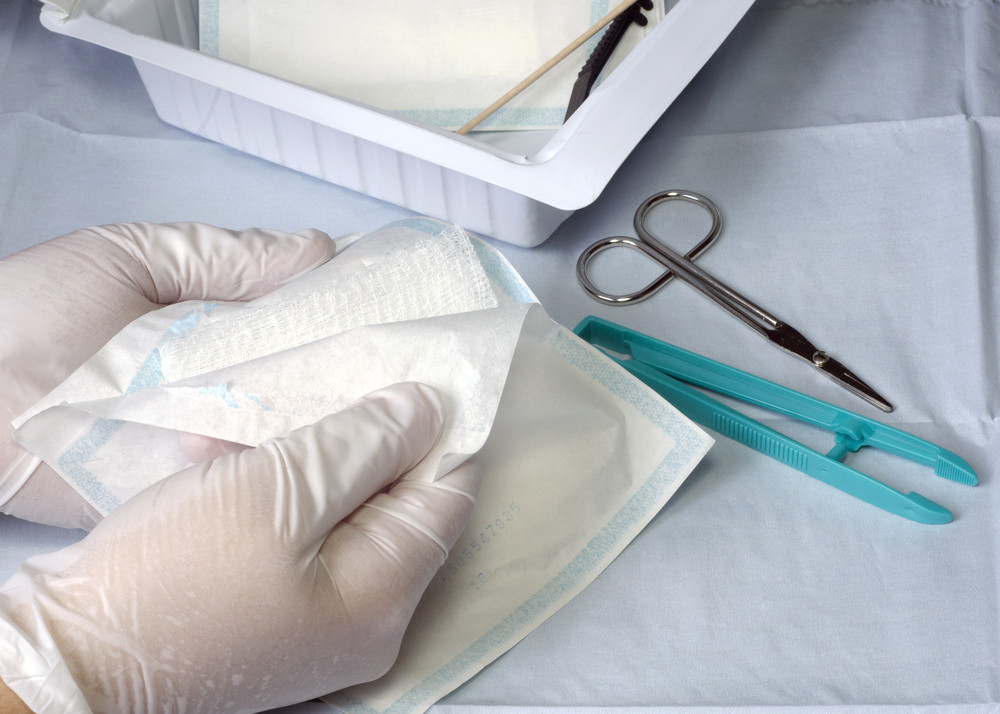
Medical supplies are essential to the healthcare industry and play a crucial role in ensuring that healthcare professionals have the necessary tools and equipment to diagnose, treat, and care for their patients. Without access to the proper medical supplies, healthcare professionals would not be able to effectively do their jobs and provide the care that their patients need.
There are a wide variety of medical supplies available, ranging from basic supplies like bandages and gauze to more specialized equipment like MRI machines and ventilators. Some common types of medical supplies include:
- Personal protective equipment (PPE): This includes items like masks, gloves, and gowns that are worn to protect healthcare workers from exposure to infectious diseases.
- Diagnostic supplies: These are used to diagnose and monitor various conditions, such as blood glucose meters for diabetes management and stethoscopes for listening to heart and lung sounds.
- Treatment supplies: These are used to treat various conditions and injuries, such as wound care supplies for treating cuts and abrasions, and IV supplies for administering fluids and medications.
- Monitoring and measurement supplies: These are used to monitor vital signs and other important metrics, such as blood pressure cuffs and thermometers.
- Laboratory supplies: These are used to perform laboratory tests and analyses, such as test tubes and petri dishes.
Proper management of medical supplies is essential to ensure that healthcare professionals have access to the supplies they need when they need them. This includes keeping track of inventory levels, ordering supplies in a timely manner, and properly storing and handling supplies to maintain their effectiveness.
The COVID-19 pandemic has highlighted the importance of having adequate supplies of medical equipment, particularly PPE. Many hospitals and healthcare facilities struggled to obtain enough masks, gloves, and other protective equipment to meet the demand caused by the pandemic. This shortage led to concerns about the safety of healthcare workers and patients, and underscored the need for better supply chain management and preparedness in the healthcare industry.
In conclusion, medical supplies play a crucial role in the healthcare industry, and proper management of these supplies is essential to ensure that healthcare professionals have the tools they need to provide the best possible care to their patients.
Truway Health News & Insights
3D Ultrasound vs. Traditional Ultrasound: What Is the Difference?
Introduction Ultrasound is one of the most widely used medical imaging technologies. It uses high-fr...

Autumn Healthcare Tips & Tricks: A Simple Guide to Staying Well This Season
As the leaves change, so do our routines. Autumn brings cooler temperatures, shorter days, changing...
TruWay Health Announces OMNIPHYS: A 20-Year Multimodal Physiologic State Intelligence Research Program
PRESS RELEASE TruWay Health Announces OMNIPHYS: A 20-Year Multimodal Physiologic State Intellige...
Truway Health Announces ClinicalTrials.gov Registration of 50-Year Prospective Study Examining “Clinical Time” and Temporal Dynamics in Patient Health
PRESS RELEASE Truway Health Announces ClinicalTrials.gov Registration of 50-Year Prospective...

TruWay Health Advances FUSION-72 Study to Investigate Multimodal Digital Biomarkers for Acute Deterioration
TruWay Health Advances FUSION-72 Study to Investigate Multimodal Digital Biomarkers for Acute Deteri...

Truway Health Releases TRU-OMNIBODY Whole-Body Digital Twin and Physiologic Resilience Study
FOR IMMEDIATE RELEASE Truway Health Releases TRU-OMNIBODY Whole-Body Digital Twin and Physiologic Re...