
Winter Respiratory Season Preparedness: Essential Supplies for Caregivers and Clinics
Published October 18, 2026 | Truway Health News & Insights
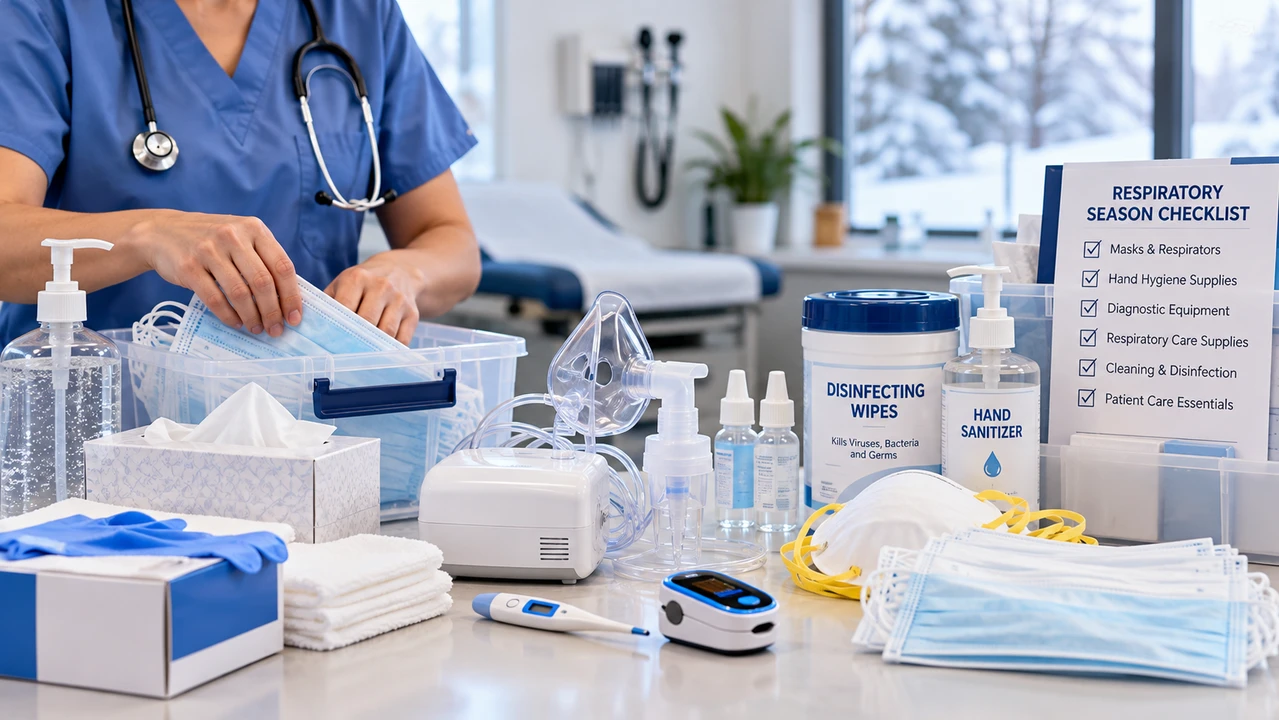
When respiratory illnesses rise, preparation becomes one of the most important investments in patient safety, caregiver confidence, and healthcare continuity.
As colder weather approaches, families, caregivers, clinics, and healthcare facilities face increased exposure to seasonal respiratory illnesses, including influenza, respiratory syncytial virus (RSV), and COVID-19.
The Centers for Disease Control and Prevention (CDC) anticipates that the 2026–2027 respiratory disease season could bring a combined peak hospitalization burden similar to the previous season. While the exact timing and severity remain uncertain, early preparedness can help healthcare teams manage demand and protect vulnerable populations.
At Truway Health, we believe respiratory-season readiness extends beyond stocking supplies. It requires effective infection prevention, reliable diagnostic equipment, appropriate respiratory care technology, and well-organized inventory management.
Whether preparing a household care station or coordinating medical supplies across a healthcare facility, the following strategies can help you prepare.
1. Understand the Respiratory Threats of Winter 2026–2027
Respiratory infections can affect anyone, but their consequences are often more severe among older adults, infants, people with compromised immune systems, and individuals with chronic cardiac or pulmonary conditions.
Influenza (Flu): Seasonal influenza can cause fever, cough, body aches, fatigue, and respiratory complications. Healthcare facilities should anticipate increased demand for diagnostic testing, protective supplies, and clinical evaluation.
Respiratory Syncytial Virus (RSV): RSV frequently causes mild respiratory symptoms but can result in serious lower respiratory tract disease, especially among infants and older adults.
COVID-19: SARS-CoV-2 continues to circulate, with activity varying throughout the year. Facilities should maintain flexible procedures for respiratory screening, infection prevention, and care coordination.
Other respiratory pathogens: Rhinoviruses, human metapneumovirus, parainfluenza viruses, and other infections may also contribute to seasonal healthcare demand.
Symptoms overlap across these infections. Medical history, clinical assessment, and appropriate diagnostic testing are essential when the specific cause affects treatment or infection-control decisions.
2. Essential Respiratory Supplies for Home Caregivers
A prepared home care environment begins with practical equipment, basic hygiene supplies, and clear instructions for recognizing changes in health status.
| Essential supply | Purpose |
|---|---|
| Digital thermometer | Monitor fever and temperature changes |
| Face masks or well-fitting respirators | Help reduce exposure and respiratory spread |
| Soap and hand sanitizer | Support routine hand hygiene |
| Tissues and lined waste containers | Encourage respiratory hygiene |
| EPA-registered surface disinfectants | Clean and disinfect appropriate household surfaces according to label instructions |
| Pulse oximeter, when appropriate | Estimate blood oxygen saturation and pulse rate as part of a clinician-directed monitoring plan |
| Saline nasal products | Support nasal comfort when appropriate for the patient |
| Prescribed respiratory devices | Maintain continuity of established care for asthma, COPD, or other respiratory conditions |
Understanding pulse oximetry
Fingertip pulse oximeters can provide useful supplemental information, especially when recommended by a healthcare professional.
However, the FDA emphasizes that pulse oximeter readings have important limitations. Accuracy can be affected by poor circulation, temperature, movement, nail polish, and skin pigmentation.
A seemingly reassuring reading does not rule out serious illness. Caregivers should assess the person's overall condition and seek medical evaluation when symptoms worsen.
Explore Truway Health Pulse Oximetry Equipment.
3. Respiratory Therapy Equipment: Choosing the Right Tools
For patients with established respiratory conditions, maintaining access to prescribed equipment is particularly important during winter.
Nebulizers and aerosol therapy
Nebulizers convert compatible liquid medication into an inhalable aerosol. They may be used when prescribed for certain respiratory conditions, but they are not routine treatment for every cough, cold, or viral infection.
When choosing a nebulizer, caregivers and clinicians should consider device compatibility, cleaning requirements, portability, power supply, and manufacturer instructions.
Nebulizer components must be cleaned and maintained as directed to reduce contamination risk. Use only prescribed medication and approved solutions, and never share patient-contact components unless they are specifically designed and appropriately reprocessed for reuse.
Peak flow meters
For some patients with asthma, peak flow monitoring can support a personalized asthma action plan. Proper technique and clinician-defined action thresholds are essential.
Oxygen therapy supplies
Patients already prescribed supplemental oxygen may need to inspect their tubing, cannulas, connectors, and backup arrangements.
Supplemental oxygen should only be initiated or adjusted according to an authorized clinical treatment plan. It is not a substitute for urgent evaluation when breathing difficulty develops.
Explore Respiratory Equipment and Accessories at Truway Health.
4. Clinic Preparedness: Infection Prevention Starts at the Entrance
Outpatient clinics, urgent care centers, and physician offices encounter respiratory symptoms across numerous patient visits.
A proactive response begins before patients enter an examination room.
Facilities should establish respiratory symptom screening procedures, offer appropriate source-control masks when indicated, and provide clear instructions on hand hygiene and respiratory etiquette.
Waiting areas benefit from accessible tissues, hand hygiene supplies, waste containers, and procedures for separating symptomatic patients when feasible.
Healthcare personnel should use personal protective equipment appropriate to the suspected pathogen, task, and applicable infection-control precautions. Where respiratory protection is required, facilities must follow relevant respirator selection, fit-testing, and occupational safety requirements.
Environmental cleaning remains important. High-touch surfaces, examination equipment, and reusable medical devices should be cleaned or disinfected according to the applicable protocols and manufacturer instructions.
Ventilation and indoor air quality also deserve attention. Facilities should verify that air-handling systems are functioning properly and evaluate improvements with qualified personnel.
These measures work together; no single intervention eliminates transmission risk.
Explore Cleaning and Infection Control Supplies.
5. Diagnostic Readiness: Prepare for Increased Patient Demand
A busy winter respiratory season can place additional pressure on diagnostic workflows.
Clinics should review their anticipated needs for thermometers, pulse oximeters, vital-sign monitors, appropriate specimen collection supplies, and authorized respiratory diagnostic tests.
Influenza and RSV testing may help inform care when indicated, but test selection must account for the patient population, intended use, specimen requirements, sensitivity, and applicable laboratory regulations.
Facilities using point-of-care assays should verify whether the selected tests are appropriate for their CLIA certification or waiver status.
Negative rapid-test results do not always exclude infection. Clinical decisions should reflect symptoms, exposure history, risk factors, and relevant testing guidance.
Explore Diagnostic Testing Kits and Supplies and Vital Signs Monitoring Equipment.
6. Vaccination and Early Treatment Remain Important
Supplies alone cannot replace evidence-based prevention.
For the 2026–2027 season, CDC guidance recommends seasonal influenza vaccination for people ages 6 months and older, with applicable clinical considerations and exceptions.
RSV immunization recommendations include adults ages 75 and older, adults ages 50–74 at increased risk of severe RSV disease, and appropriate preventive options for eligible infants. Adult RSV vaccination is not currently recommended as an annual dose.
COVID-19 vaccination decisions should reflect current recommendations, eligibility, individual risk, and discussion with a healthcare professional.
When illness occurs, early treatment may be particularly important for higher-risk patients. Prescription influenza antivirals are most effective when started promptly, and eligible patients should contact a clinician without delaying care while awaiting test results.
Vaccination, timely assessment, cleaner indoor air, hygiene, and appropriate respiratory protection are complementary parts of prevention.
7. Building a Reliable Winter Medical Supply Inventory
Healthcare facilities should review their inventory before local respiratory activity increases.
A useful procurement process begins with previous seasonal consumption, current patient volumes, and anticipated demand.
Purchasing teams can estimate a reorder point using:
Reorder point = Average daily consumption × Supplier lead time + Safety stock
Safety stock should be determined using actual demand variability, delivery reliability, shelf life, storage capacity, and the consequences of a stockout.
For example, clinics experiencing frequent changes in patient volume may require more inventory flexibility than facilities with predictable usage.
Important operational considerations include expiration dates, lot-level traceability, device compatibility, storage conditions, and alternative suppliers for critical items.
Avoid unnecessary panic purchasing. Coordinated ordering and realistic demand forecasting support both financial efficiency and a more resilient healthcare supply chain.
8. When to Seek Medical Attention
Respiratory infections can worsen unexpectedly, particularly among vulnerable patients.
Seek emergency medical care for severe breathing difficulty, persistent chest pain or pressure, new confusion, inability to stay awake, blue or gray lips or skin, or other signs of a medical emergency.
Infants may show serious illness through poor feeding, dehydration, unusual lethargy, or breathing difficulties.
Caregivers should also contact a healthcare professional promptly when symptoms worsen, a patient has significant underlying health risks, or a prescribed respiratory management plan is no longer controlling symptoms.
For people with respiratory infections in community settings, CDC advises staying home until symptoms are improving overall and fever has been absent for at least 24 hours without fever-reducing medication, followed by five days of additional precautions. Healthcare facilities and healthcare personnel must follow the separate guidance applicable to their settings.
9. How Truway Health Supports Respiratory Season Preparedness
Truway Health offers healthcare supplies and equipment across respiratory care, diagnostic monitoring, patient care, and infection-control categories.
Our goal is to help customers identify equipment suitable for their care environments, evaluate specifications and compatibility, and organize purchasing decisions around their actual needs.
Explore our medical supply categories:
Product specifications, availability, intended uses, and any applicable purchase restrictions should be confirmed before ordering.
Conclusion: Preparedness Is Better Than Reactive Purchasing
The 2026–2027 respiratory season presents a familiar but important challenge: protecting patients while keeping healthcare services operational and essential supplies accessible.
For families, readiness means maintaining practical supplies, understanding prescribed respiratory equipment, and knowing when to seek care.
For healthcare organizations, readiness means coordinated infection control, dependable diagnostic workflows, and disciplined supply-chain planning.
The most effective response starts before the demand surge.
Prepare Your Facility with Truway Health
Equip your organization for winter with respiratory supplies, diagnostic technology, and infection-control essentials.
Explore Medical Supplies at Truway Health
For institutional procurement, bulk purchasing, or specialized equipment needs, contact Truway Health through our website with your specifications and requested quantities.
References and Further Reading
Medical disclaimer: This article provides general health and procurement information and does not replace individualized medical advice, diagnosis, treatment, or facility-specific clinical protocols. Clinical decisions should be made with qualified healthcare professionals and according to current guidance.
© 2026 Truway Health, Inc.
Truway Health News & Insights

Healthcare Equipment Interoperability: Understanding DICOM, HL7, and FHIR
Truway Health | Medical Technology, Digital Infrastructure & Healthcare Innovation Modern medical eq...

Medical-Grade Stainless Steel: Comparing 304 and 316 for Healthcare Equipment
Truway Health | Medical Equipment, Materials Engineering & Healthcare Procurement Not all stainless...

Winter Respiratory Season Preparedness: Essential Supplies for Caregivers and Clinics
Published October 18, 2026 | Truway Health News & Insights When respiratory illnesses rise, preparat...

What Families Should Know When a Loved One Enters Hospice Care
For families with a terminally ill loved one, the start of hospice can land like two realities at on...

Moving from RN to Family Nurse Practitioner What You Need to Know
Experienced registered nurses often reach a point where strong bedside skills still leave a lingerin...
The Guidewire Is Not a Commodity: The Hidden Safety Architecture of Coronary Care
How precision engineering, clinical intelligence, and medical-device traceability are redefining exp...