
What to Know About the Seasonal Flu This Year
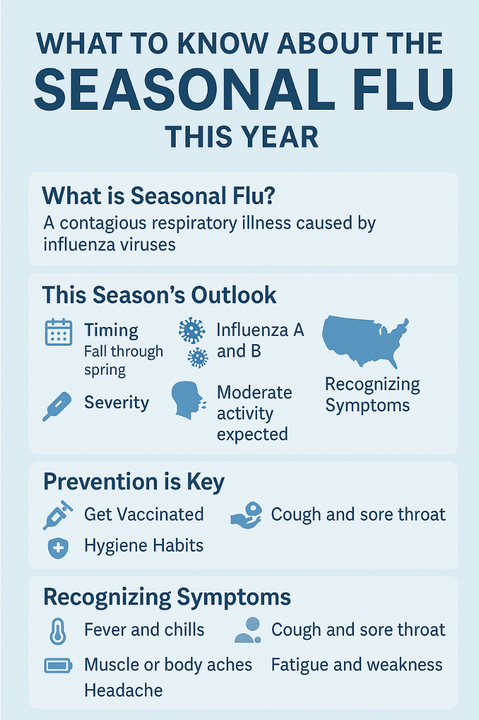
As cooler weather sets in, flu season returns. Each year brings new strains, evolving guidance, and fresh considerations for keeping yourself and your loved ones healthy. At Truway Health, we believe that preparation and knowledge are the best defenses. Here’s what you need to know for this flu season.
1. What is Seasonal Flu?
Seasonal influenza (“the flu”) is a contagious respiratory illness caused by influenza viruses. It spreads mainly through droplets when people cough, sneeze, or talk. The flu can affect anyone but tends to be more severe in children, older adults, pregnant women, and individuals with chronic health conditions.
2. This Season’s Outlook
-
Timing: Flu season typically begins in the fall and peaks between December and February, though activity can last into May.
-
Strains: Health authorities monitor circulating strains (commonly Influenza A and B) to update vaccines. This season’s flu shot is designed to protect against the most likely strains.
-
Severity: While it’s impossible to predict the exact severity of the season, experts anticipate moderate activity levels with pockets of higher transmission in colder regions.
3. Prevention is Key
-
Get Vaccinated: The annual flu shot is the most effective way to reduce your risk of infection and complications.
-
Boost Your Immunity: Eat nutrient-rich foods, exercise regularly, and get enough sleep to keep your immune system strong.
-
Hygiene Habits: Wash hands often, cover coughs and sneezes, and avoid touching your face.
4. Recognizing Symptoms
The flu often appears suddenly. Common symptoms include:
-
Fever and chills
-
Cough and sore throat
-
Muscle or body aches
-
Fatigue and weakness
-
Headache
If you experience shortness of breath, chest pain, or persistent high fever, seek medical care promptly.
5. Treatment and Care
-
Rest and Hydration: Allow your body time to recover.
-
Over-the-Counter Relief: Pain relievers, decongestants, and cough suppressants can help manage symptoms.
-
Antiviral Medications: For those at high risk or with severe cases, a healthcare provider may prescribe antiviral drugs like oseltamivir (Tamiflu).
6. Protecting Others
-
Stay home if you’re sick.
-
Wear a mask when around others.
-
Limit contact with vulnerable groups, such as infants and older adults.
7. Final Thoughts
Flu season doesn’t have to be overwhelming. By staying informed, getting vaccinated, and practicing healthy habits, you can reduce your risk and help protect your community.
At Truway Health, we’re committed to providing the tools, products, and knowledge you need to stay well all season long.
Truway Health News & Insights

Healthcare Procurement Readiness: Building a More Resilient Clinical Supply Chain
Healthcare supply chains are often judged by a simple question: Did the product arrive? But for hosp...

Pass-Through Chambers and Material Flow in Controlled Healthcare Environments
Controlled healthcare environments depend on more than clean surfaces and filtered air. The way mate...

The Last 10 Feet of Medical Logistics: Why Storage and Handling Matter After Delivery
The tracking page says “Delivered.” The cartons have arrived, the packing slip is signed, and the or...

From PubMed Headline to Clinical Practice: Five Questions to Ask About a New Study
A new study appears in your feed. The headline promises earlier diagnosis, faster recovery, or a tr...

When Fall Feels Heavy: Seasonal Changes and Emotional Well-Being
Autumn arrives with golden leaves, cooler mornings, and invitations to get cozy. But you do not have...

The $20 Accessory That Can Sideline a $20,000 Device
The equipment has arrived. The team has cleared space, scheduled training, and prepared to put the n...