
What is Antibiotic Resistance?

Antibiotic resistance is a growing problem worldwide and is a major threat to public health. It is the ability of bacteria to resist the effects of antibiotics, rendering them ineffective in treating infections. This means that infections that were once easily treated with antibiotics are now becoming increasingly difficult to cure, leading to prolonged illness, increased healthcare costs, and higher mortality rates.
Antibiotics have been used to treat bacterial infections since the 1940s, and they have been incredibly successful in saving countless lives. However, the overuse and misuse of antibiotics have contributed to the development of antibiotic resistance. When antibiotics are used, they kill most of the bacteria in the body, but some bacteria survive and reproduce, passing on their resistance to the next generation of bacteria.
There are many factors that contribute to antibiotic resistance. One of the main factors is the overuse and misuse of antibiotics. Antibiotics are often prescribed when they are not needed, such as for viral infections like the common cold or the flu. Additionally, many people do not take antibiotics as directed, either stopping treatment early or not taking the full course of antibiotics, which can lead to the survival of resistant bacteria.
Another factor is the widespread use of antibiotics in agriculture. Antibiotics are used in livestock farming to promote growth and prevent diseases, but this can lead to the development of antibiotic-resistant bacteria that can be transmitted to humans through the food chain.
The consequences of antibiotic resistance are significant. It can lead to longer hospital stays, more expensive treatments, and increased mortality rates. It can also make it difficult to treat infections in people with weakened immune systems, such as the elderly or those undergoing chemotherapy.
To combat antibiotic resistance, it is important to use antibiotics only when necessary and to take them as directed. Patients should never share antibiotics or take antibiotics prescribed for someone else, as this can contribute to the development of resistance. Additionally, healthcare providers should prescribe antibiotics only when they are truly needed and choose the most appropriate antibiotic for the specific infection.
It is also important to reduce the use of antibiotics in agriculture and to promote responsible antibiotic use in livestock farming. This can help to reduce the development of antibiotic-resistant bacteria that can be transmitted to humans.
Antibiotic resistance is a serious and growing problem that threatens the effectiveness of antibiotics in treating bacterial infections. It is important to use antibiotics responsibly and to take action to reduce the development of antibiotic-resistant bacteria. By working together, we can help to preserve the effectiveness of antibiotics and ensure that they remain an important tool in the fight against bacterial infections.
Truway Health News & Insights

3D Ultrasound vs. Traditional Ultrasound: What Is the Difference?
Introduction Ultrasound is one of the most widely used medical imaging technologies. It uses high-fr...

Autumn Healthcare Tips & Tricks: A Simple Guide to Staying Well This Season
As the leaves change, so do our routines. Autumn brings cooler temperatures, shorter days, changing...
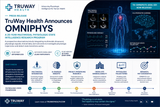
TruWay Health Announces OMNIPHYS: A 20-Year Multimodal Physiologic State Intelligence Research Program
PRESS RELEASE TruWay Health Announces OMNIPHYS: A 20-Year Multimodal Physiologic State Intellige...
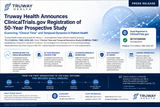
Truway Health Announces ClinicalTrials.gov Registration of 50-Year Prospective Study Examining “Clinical Time” and Temporal Dynamics in Patient Health
PRESS RELEASE Truway Health Announces ClinicalTrials.gov Registration of 50-Year Prospective...
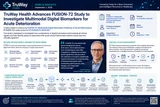
TruWay Health Advances FUSION-72 Study to Investigate Multimodal Digital Biomarkers for Acute Deterioration
TruWay Health Advances FUSION-72 Study to Investigate Multimodal Digital Biomarkers for Acute Deteri...

Truway Health Releases TRU-OMNIBODY Whole-Body Digital Twin and Physiologic Resilience Study
FOR IMMEDIATE RELEASE Truway Health Releases TRU-OMNIBODY Whole-Body Digital Twin and Physiologic Re...