
Understanding Neurological Disorders: Causes, Symptoms, and Treatments
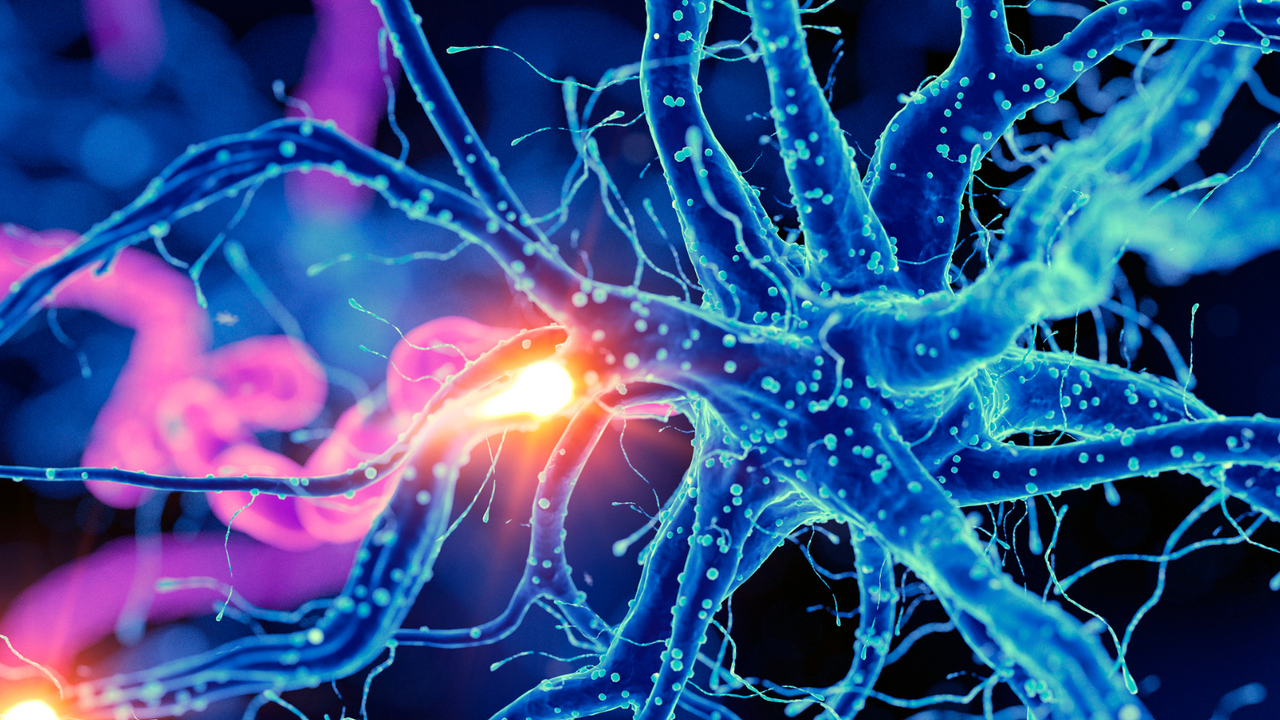
Neurological disorders refer to a broad range of medical conditions that affect the brain, spinal cord, and nerves. These disorders can have a significant impact on a person's daily life, causing symptoms such as pain, numbness, muscle weakness, and cognitive impairment. In this blog post, we'll take a closer look at some of the most common neurological disorders, their causes, symptoms, and treatments.
- Alzheimer's disease: Alzheimer's disease is a progressive neurological disorder that affects the brain's ability to think, remember, and reason. The disease is caused by the accumulation of abnormal proteins in the brain, which leads to the death of brain cells. Symptoms of Alzheimer's disease include memory loss, confusion, and difficulty completing familiar tasks. There is currently no cure for Alzheimer's disease, but treatments are available to manage symptoms and slow the progression of the disease.
- Parkinson's disease: Parkinson's disease is a neurological disorder that affects movement. The disease occurs when the brain cells that produce dopamine, a neurotransmitter that controls movement, begin to die. Symptoms of Parkinson's disease include tremors, stiffness, and difficulty with balance and coordination. Treatment for Parkinson's disease typically involves medications that increase dopamine levels in the brain, as well as physical therapy to improve mobility.
- Multiple sclerosis: Multiple sclerosis (MS) is a chronic neurological disorder that affects the central nervous system. The disease occurs when the immune system attacks the myelin sheath that surrounds nerve fibers, causing damage to the nerves. Symptoms of MS include fatigue, muscle weakness, and difficulty with balance and coordination. Treatment for MS typically involves medications to reduce inflammation and slow the progression of the disease, as well as physical therapy to improve mobility.
- Epilepsy: Epilepsy is a neurological disorder that causes seizures. Seizures occur when there is a sudden surge of electrical activity in the brain. Epilepsy can be caused by a variety of factors, including genetics, brain injury, and infection. Symptoms of epilepsy can vary depending on the type of seizure, but may include convulsions, loss of consciousness, and confusion. Treatment for epilepsy typically involves medications to prevent seizures, as well as lifestyle changes to reduce triggers.
Neurological disorders can have a significant impact on a person's daily life. Understanding the causes, symptoms, and treatments of these disorders can help individuals and their loved ones manage the condition more effectively. If you or someone you know is experiencing symptoms of a neurological disorder, it's important to seek medical attention as soon as possible. With the right treatment, many individuals with neurological disorders are able to manage their symptoms and maintain a good quality of life.
Truway Health News & Insights

How to Build a Rewarding Nursing Career Step by Step
For aspiring nurses weighing a meaningful healthcare career against the demands of real-life caregiv...
Mapping the Next Frontier of Immunotherapy: QSIT Expands Its Scientific Intelligence Program
Truway Health has expanded the scientific-intelligence framework supporting the Electromagnetic Immu...

Why Instrument Material Matters in Modern Surgery
Material Is a Functional Decision, Not Just a Specification A surgical instrument may look simple, b...
Today’s QSIT ImmunoNet Findings: Legionella, White Blood Cells, Ferroptosis, and the Future of Immune-Metabolic Mapping
A New Intelligence Layer for Immune Forecasting Today’s Truway Health QSIT ImmunoNet review focused...

Spatial Biology: Mapping Cells in Three Dimensions
For decades, scientists have studied cells one at a time. Spatial biology is changing that by reveal...

The Future of Liquid Biopsies: Detecting Disease with a Blood Sample
The Future of Liquid Biopsies: Detecting Disease with a Blood Sample Imagine detecting certain disea...