
Understanding Heart Attack Symptoms and Prevention
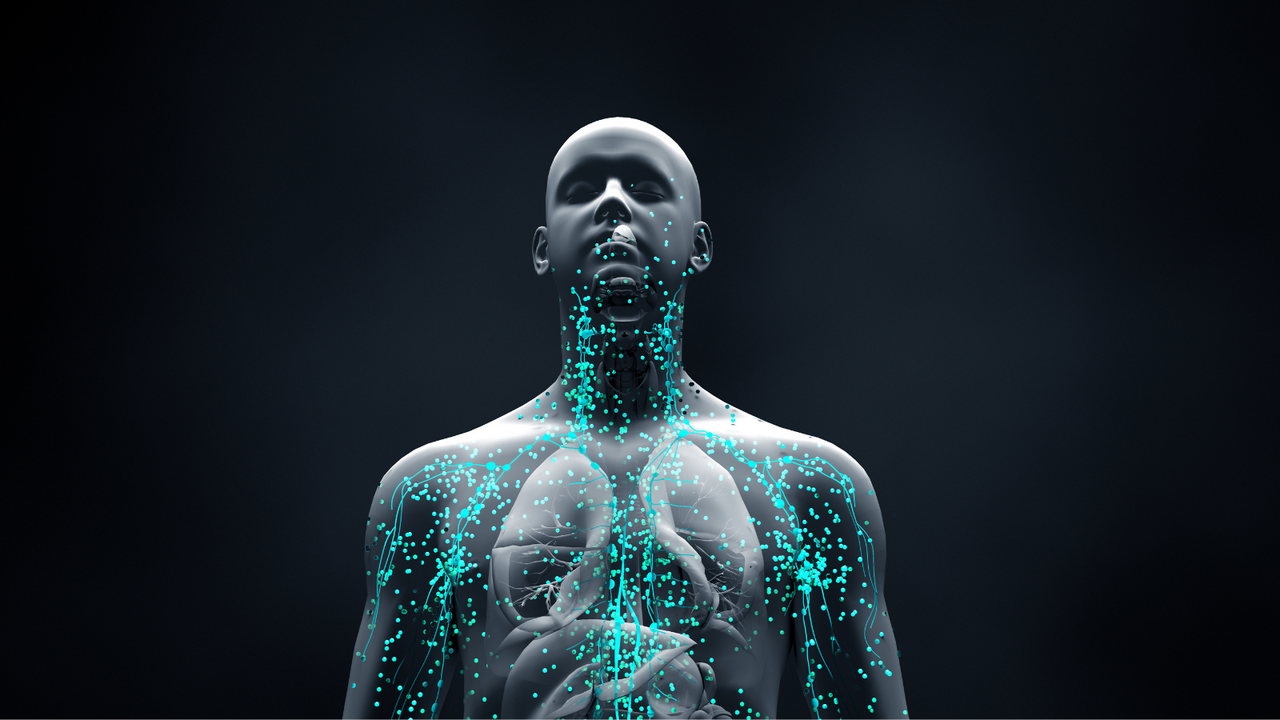
Heart disease is the leading cause of death in the United States, and heart attacks are a common and serious manifestation of heart disease. A heart attack occurs when the blood flow to the heart is blocked, which can cause damage to the heart muscle. It is essential to understand the symptoms of a heart attack and take preventative measures to reduce your risk of having one.
Symptoms of a Heart Attack
The most common symptom of a heart attack is chest pain or discomfort. This pain can feel like pressure, fullness, squeezing, or aching. The pain may also radiate to the arms, neck, jaw, back, or stomach. Other symptoms of a heart attack include:
- Shortness of breath
- Nausea or vomiting
- Lightheadedness or dizziness
- Sweating
- Fatigue
- Irregular heartbeat
- Anxiety or feeling of impending doom
It is important to note that not everyone experiences chest pain during a heart attack, and some people may have only mild symptoms or no symptoms at all. Women, older adults, and people with diabetes are more likely to have atypical symptoms during a heart attack.
Preventing a Heart Attack
There are several ways to reduce your risk of having a heart attack. These include:
- Maintain a healthy lifestyle: Eat a balanced diet, exercise regularly, maintain a healthy weight, and avoid smoking.
- Manage chronic conditions: If you have high blood pressure, high cholesterol, or diabetes, work with your healthcare provider to manage these conditions.
- Take medications as prescribed: If you have been prescribed medications for a heart condition or other chronic condition, take them as directed.
- Manage stress: Stress can contribute to heart disease, so find healthy ways to manage stress, such as meditation, yoga, or spending time with loved ones.
- Get regular check-ups: Regular check-ups with your healthcare provider can help detect and manage risk factors for heart disease.
If you experience symptoms of a heart attack, call 911 immediately. Prompt treatment can reduce damage to the heart muscle and improve your chances of recovery.
Understanding the symptoms of a heart attack and taking preventative measures to reduce your risk of having one is essential for maintaining heart health. By maintaining a healthy lifestyle, managing chronic conditions, taking medications as prescribed, managing stress, and getting regular check-ups, you can reduce your risk of having a heart attack and live a healthier, happier life.
Truway Health News & Insights

How to Build a Rewarding Nursing Career Step by Step
For aspiring nurses weighing a meaningful healthcare career against the demands of real-life caregiv...
Mapping the Next Frontier of Immunotherapy: QSIT Expands Its Scientific Intelligence Program
Truway Health has expanded the scientific-intelligence framework supporting the Electromagnetic Immu...
Why Instrument Material Matters in Modern Surgery
Material Is a Functional Decision, Not Just a Specification A surgical instrument may look simple, b...
Today’s QSIT ImmunoNet Findings: Legionella, White Blood Cells, Ferroptosis, and the Future of Immune-Metabolic Mapping
A New Intelligence Layer for Immune Forecasting Today’s Truway Health QSIT ImmunoNet review focused...
Spatial Biology: Mapping Cells in Three Dimensions
For decades, scientists have studied cells one at a time. Spatial biology is changing that by reveal...
The Future of Liquid Biopsies: Detecting Disease with a Blood Sample
The Future of Liquid Biopsies: Detecting Disease with a Blood Sample Imagine detecting certain disea...