
Top Methods of Preventing Medical Errors in Healthcare Settings

Preventing medical errors in healthcare settings is essential to ensure the safety and well-being of patients. Medical errors are the third leading cause of death in the United States and can have serious consequences for patients and their families. There are several key principles that can be implemented to prevent medical errors in hospitals.
- Communication: Effective communication is key to preventing medical errors. This includes clear and concise communication among healthcare providers, patients, and families. It is important to ensure that all members of the healthcare team are aware of the patient's care plan and that any changes or concerns are communicated promptly.
- Standardization: Standardization of processes and procedures can help prevent medical errors. This includes using evidence-based practices, creating clear protocols for medication administration, and using checklists to ensure that all steps are completed correctly.
- Teamwork: Teamwork is essential to preventing medical errors. This includes fostering a culture of safety, promoting open communication, and encouraging staff to speak up when they see something that could lead to an error.
- Technology: Technology can play a role in preventing medical errors. This includes using electronic health records, barcode scanning, and computerized provider order entry systems to ensure that the right patient receives the right treatment at the right time.
- Education and training: Ongoing education and training for healthcare providers can help prevent medical errors. This includes providing training on the latest best practices, as well as providing education on how to identify and report potential errors.
- Quality improvement: Quality improvement programs can help identify and reduce the risk of medical errors. This includes monitoring data, analyzing trends, and implementing changes based on the findings to improve the safety of patients.
- Patient involvement: Patient involvement is key to preventing medical errors. This includes educating patients about their care, encouraging them to ask questions, and involving them in decisions about their treatment.
Preventing medical errors in healthcare settings requires a multifaceted approach that includes effective communication, standardization, teamwork, technology, education and training, quality improvement, and patient involvement. By implementing these principles, hospitals can create a culture of safety and reduce the risk of medical errors, ensuring the safety and well-being of patients.
Truway Health News & Insights
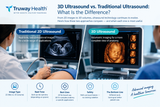
3D Ultrasound vs. Traditional Ultrasound: What Is the Difference?
Introduction Ultrasound is one of the most widely used medical imaging technologies. It uses high-fr...

Autumn Healthcare Tips & Tricks: A Simple Guide to Staying Well This Season
As the leaves change, so do our routines. Autumn brings cooler temperatures, shorter days, changing...
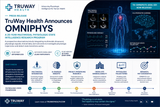
TruWay Health Announces OMNIPHYS: A 20-Year Multimodal Physiologic State Intelligence Research Program
PRESS RELEASE TruWay Health Announces OMNIPHYS: A 20-Year Multimodal Physiologic State Intellige...
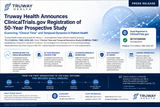
Truway Health Announces ClinicalTrials.gov Registration of 50-Year Prospective Study Examining “Clinical Time” and Temporal Dynamics in Patient Health
PRESS RELEASE Truway Health Announces ClinicalTrials.gov Registration of 50-Year Prospective...

TruWay Health Advances FUSION-72 Study to Investigate Multimodal Digital Biomarkers for Acute Deterioration
TruWay Health Advances FUSION-72 Study to Investigate Multimodal Digital Biomarkers for Acute Deteri...
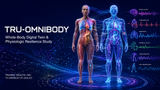
Truway Health Releases TRU-OMNIBODY Whole-Body Digital Twin and Physiologic Resilience Study
FOR IMMEDIATE RELEASE Truway Health Releases TRU-OMNIBODY Whole-Body Digital Twin and Physiologic Re...