
The Role of Technology in Revolutionizing Healthcare

In recent years, technology has transformed nearly every aspect of our lives, and healthcare is no exception. From telemedicine to wearable devices, technological advancements have revolutionized the healthcare industry, enhancing the way we prevent, diagnose, treat, and manage health conditions. In this blog post, we will explore the various ways technology is reshaping healthcare, improving patient outcomes, and revolutionizing the delivery of healthcare services.
- Telemedicine: Bridging the Gap in Healthcare Access: Telemedicine has emerged as a game-changer in healthcare, especially in remote areas and underserved communities. It enables patients to consult with healthcare professionals remotely, eliminating geographical barriers. We will discuss the benefits of telemedicine, such as increased access to healthcare, reduced travel time and costs, and improved patient convenience.
- Electronic Health Records (EHRs): Streamlining Patient Information: Gone are the days of bulky paper records. Electronic Health Records (EHRs) have digitized patient information, making it easily accessible, securely stored, and shareable among healthcare providers. We will delve into the advantages of EHRs, including improved care coordination, reduced medical errors, and enhanced patient safety.
- Wearable Devices and Health Apps: Empowering Individuals in Self-Care: The rise of wearable devices, such as fitness trackers and smartwatches, along with health apps, has empowered individuals to actively monitor and manage their health. We will explore how these technologies promote preventive care, encourage physical activity, track vital signs, and provide personalized health insights.
- Artificial Intelligence (AI) and Machine Learning (ML): Revolutionizing Diagnostics and Treatment: AI and ML algorithms have the potential to transform healthcare by analyzing vast amounts of medical data, identifying patterns, and assisting in diagnostics and treatment decisions. We will discuss the applications of AI and ML in areas such as medical imaging, drug discovery, predictive analytics, and personalized medicine.
- Robotics and Automation: Enhancing Surgical Precision and Efficiency: Robotic-assisted surgery and automation have made significant strides in improving surgical procedures. We will explore the benefits of robotic surgery, including enhanced precision, smaller incisions, reduced complications, and faster recovery times.
- Health Information Exchange (HIE): Facilitating Seamless Data Sharing: Health Information Exchange allows the secure sharing of patient data across different healthcare systems and providers. We will discuss how HIE promotes interoperability, facilitates care coordination, and improves communication among healthcare professionals.
- Virtual Reality (VR) and Augmented Reality (AR): Transforming Healthcare Training and Patient Care: Virtual Reality and Augmented Reality technologies have found applications in medical training, patient education, and pain management. We will highlight how VR and AR create immersive learning experiences for medical professionals and improve patient outcomes through virtual simulations and therapies.
Technology continues to reshape the healthcare landscape, improving accessibility, efficiency, and patient outcomes. From telemedicine to AI-driven diagnostics and robotic surgery, the possibilities are endless. Embracing and harnessing the power of technology in healthcare will pave the way for a future where quality care is readily accessible and personalized to individual needs.
Truway Health News & Insights

How to Build a Rewarding Nursing Career Step by Step
For aspiring nurses weighing a meaningful healthcare career against the demands of real-life caregiv...

Mapping the Next Frontier of Immunotherapy: QSIT Expands Its Scientific Intelligence Program
Truway Health has expanded the scientific-intelligence framework supporting the Electromagnetic Immu...
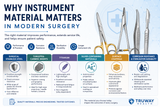
Why Instrument Material Matters in Modern Surgery
Material Is a Functional Decision, Not Just a Specification A surgical instrument may look simple, b...

Today’s QSIT ImmunoNet Findings: Legionella, White Blood Cells, Ferroptosis, and the Future of Immune-Metabolic Mapping
A New Intelligence Layer for Immune Forecasting Today’s Truway Health QSIT ImmunoNet review focused...

Spatial Biology: Mapping Cells in Three Dimensions
For decades, scientists have studied cells one at a time. Spatial biology is changing that by reveal...
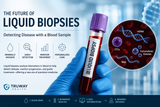
The Future of Liquid Biopsies: Detecting Disease with a Blood Sample
The Future of Liquid Biopsies: Detecting Disease with a Blood Sample Imagine detecting certain disea...