
The importance of maintaining a sterile field in the O.R

Maintaining a sterile field in the operating room (O.R.) is crucial for preventing infections and ensuring a successful surgery. A sterile field is an area that has been thoroughly cleaned and disinfected to eliminate all microorganisms, including bacteria and viruses. This is accomplished by using a variety of techniques, such as using sterilizing solutions, heat, and/or radiation.
One of the most important reasons for maintaining a sterile field in the O.R. is to prevent the spread of infections. During surgery, the body's natural defenses are compromised, making it more susceptible to infection. If a sterile field is not maintained, microorganisms can easily enter the body and cause serious infections, such as sepsis. This can lead to prolonged hospital stays, increased medical costs, and even death.
Another important reason for maintaining a sterile field in the O.R. is to ensure the success of the surgery. If a sterile field is not maintained, it can lead to contamination of the surgical site, which can result in the need for additional procedures, prolonged healing time, and even the failure of the surgery. A contaminated surgical site can also cause severe complications, such as wound infections, abscesses, and sepsis.
To maintain a sterile field in the O.R., healthcare professionals must follow strict protocols. This includes wearing sterile gowns, gloves, and masks, as well as properly cleaning and disinfecting all equipment and surfaces. The surgical team must also be trained in proper sterilization techniques, and must be vigilant in monitoring the sterile field to ensure that it remains free of contaminants.
In conclusion, maintaining a sterile field in the O.R. is essential for preventing infections and ensuring the success of surgeries. It requires strict protocols, training, and vigilance from the surgical team. By taking the necessary steps to maintain a sterile field, healthcare professionals can provide the best possible care for their patients, and help to ensure a positive outcome for each and every surgery.
Truway Health News & Insights
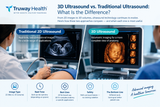
3D Ultrasound vs. Traditional Ultrasound: What Is the Difference?
Introduction Ultrasound is one of the most widely used medical imaging technologies. It uses high-fr...

Autumn Healthcare Tips & Tricks: A Simple Guide to Staying Well This Season
As the leaves change, so do our routines. Autumn brings cooler temperatures, shorter days, changing...
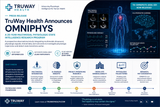
TruWay Health Announces OMNIPHYS: A 20-Year Multimodal Physiologic State Intelligence Research Program
PRESS RELEASE TruWay Health Announces OMNIPHYS: A 20-Year Multimodal Physiologic State Intellige...

Truway Health Announces ClinicalTrials.gov Registration of 50-Year Prospective Study Examining “Clinical Time” and Temporal Dynamics in Patient Health
PRESS RELEASE Truway Health Announces ClinicalTrials.gov Registration of 50-Year Prospective...

TruWay Health Advances FUSION-72 Study to Investigate Multimodal Digital Biomarkers for Acute Deterioration
TruWay Health Advances FUSION-72 Study to Investigate Multimodal Digital Biomarkers for Acute Deteri...

Truway Health Releases TRU-OMNIBODY Whole-Body Digital Twin and Physiologic Resilience Study
FOR IMMEDIATE RELEASE Truway Health Releases TRU-OMNIBODY Whole-Body Digital Twin and Physiologic Re...