
The Importance of a Consistent Sleep Schedule
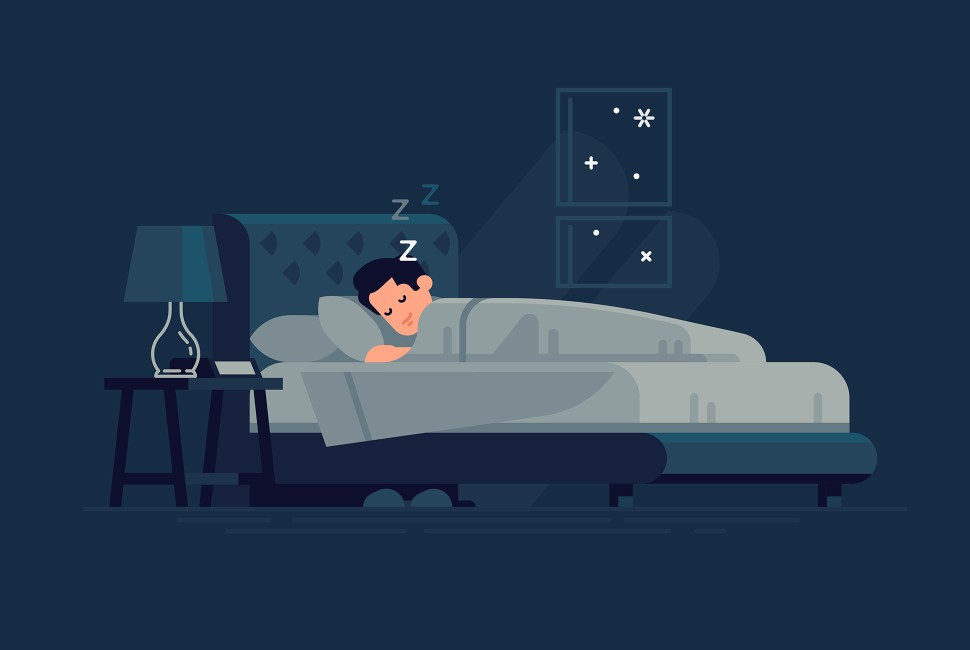
Getting enough sleep is crucial for our overall health and wellbeing. But not just the quantity of sleep matters - the timing and consistency of it play a significant role too. Establishing a consistent sleep schedule can lead to better sleep quality, improved mood, increased energy levels, and a host of other benefits.
Why Consistency Matters
Our bodies have an internal circadian rhythm that regulates when we feel awake and when we feel sleepy. When we have a consistent sleep schedule, we train our bodies to follow this rhythm, making it easier to fall asleep and wake up at the same time every day. This helps regulate our sleep patterns, leading to better and more restful sleep.
On the other hand, when we have inconsistent sleep schedules, our bodies can become confused and our sleep quality can suffer. This can lead to difficulty falling asleep, waking up feeling groggy and tired, and even insomnia in some cases.
Benefits of a Consistent Sleep Schedule
A consistent sleep schedule can have many benefits, including:
- Improved mood: Getting enough and consistent sleep can help regulate our mood, reducing feelings of irritability, anxiety, and depression.
- Increased energy levels: When we have consistent and restful sleep, we wake up feeling refreshed and energized, ready to tackle the day ahead.
- Better focus and concentration: A consistent sleep schedule can help improve our cognitive function and ability to focus and concentrate.
- Better physical health: Getting enough and consistent sleep has been linked to lower levels of inflammation in the body, a stronger immune system, and a reduced risk of developing certain chronic health conditions.
Tips for Establishing a Consistent Sleep Schedule
Here are some tips to help you establish a consistent sleep schedule:
- Stick to a set bedtime and wake-up time: Even on weekends, try to keep your sleep schedule consistent. This helps regulate your circadian rhythm and improve the quality of your sleep.
- Avoid screens before bedtime: The blue light from screens can interfere with our sleep, making it harder to fall asleep. Try to avoid screens for at least an hour before bedtime.
- Create a bedtime routine: Develop a relaxing bedtime routine, such as reading a book, taking a warm bath, or meditating, to help signal to your body that it's time for sleep.
- Avoid caffeine, alcohol, and heavy meals before bedtime: These can all interfere with sleep and make it harder to fall asleep and stay asleep.
A consistent sleep schedule is crucial for our overall health and wellbeing. By sticking to a set bedtime and wake-up time, avoiding screens before bedtime, creating a bedtime routine, and avoiding caffeine, alcohol, and heavy meals before bedtime, you can improve the quality of your sleep and enjoy the many benefits that come with it.
Truway Health News & Insights

3D Ultrasound vs. Traditional Ultrasound: What Is the Difference?
Introduction Ultrasound is one of the most widely used medical imaging technologies. It uses high-fr...

Autumn Healthcare Tips & Tricks: A Simple Guide to Staying Well This Season
As the leaves change, so do our routines. Autumn brings cooler temperatures, shorter days, changing...

TruWay Health Announces OMNIPHYS: A 20-Year Multimodal Physiologic State Intelligence Research Program
PRESS RELEASE TruWay Health Announces OMNIPHYS: A 20-Year Multimodal Physiologic State Intellige...

Truway Health Announces ClinicalTrials.gov Registration of 50-Year Prospective Study Examining “Clinical Time” and Temporal Dynamics in Patient Health
PRESS RELEASE Truway Health Announces ClinicalTrials.gov Registration of 50-Year Prospective...

TruWay Health Advances FUSION-72 Study to Investigate Multimodal Digital Biomarkers for Acute Deterioration
TruWay Health Advances FUSION-72 Study to Investigate Multimodal Digital Biomarkers for Acute Deteri...

Truway Health Releases TRU-OMNIBODY Whole-Body Digital Twin and Physiologic Resilience Study
FOR IMMEDIATE RELEASE Truway Health Releases TRU-OMNIBODY Whole-Body Digital Twin and Physiologic Re...