
The Impact of Telemedicine on Healthcare: Benefits, Challenges, and Future Opportunities
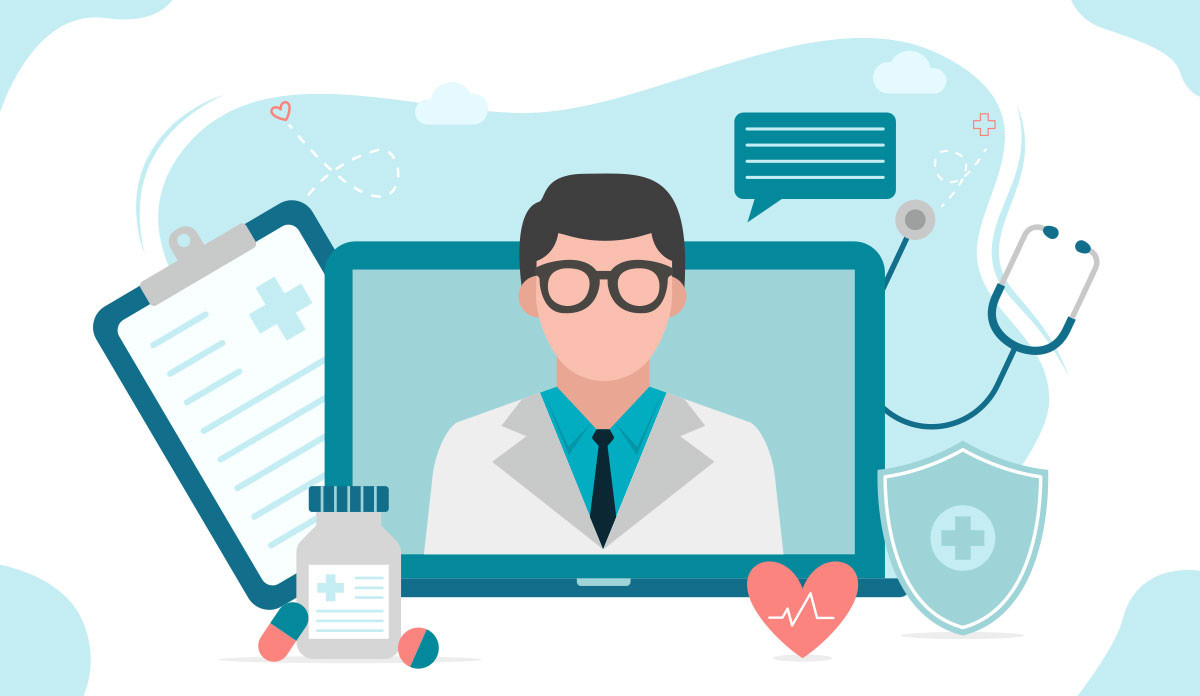
Telemedicine, the practice of providing healthcare services remotely through electronic communication, has been growing rapidly over the last few years. The COVID-19 pandemic has accelerated this trend and made telemedicine an essential tool for healthcare providers and patients around the world. In this blog post, we will explore the impact of telemedicine on healthcare, including its benefits, challenges, and future opportunities.
Benefits of Telemedicine
Telemedicine offers several benefits for both patients and healthcare providers. Here are some of the main advantages of telemedicine:
Increased Access to Healthcare Services
Telemedicine provides access to healthcare services to people living in remote areas or those who have mobility issues. Patients can connect with healthcare providers from the comfort of their homes, reducing the need for travel and saving time and money.
Improved Quality of Care
Telemedicine enables healthcare providers to offer high-quality care to patients by providing access to specialists and experts who may not be available locally. Telemedicine can also help healthcare providers to monitor patients remotely, enabling early detection of potential health problems and preventing hospitalizations.
Cost Savings
Telemedicine can help to reduce the cost of healthcare by eliminating the need for travel and reducing hospitalizations. Patients can also save money by avoiding missed workdays and reducing the need for childcare.
Convenience
Telemedicine offers the convenience of accessing healthcare services from anywhere and at any time. Patients can schedule appointments outside of regular business hours and receive care without having to leave their homes.
Challenges of Telemedicine
While telemedicine offers many benefits, it also presents some challenges that need to be addressed. Here are some of the main challenges of telemedicine:
Lack of Access to Technology
Telemedicine requires access to technology such as a computer, tablet, or smartphone, and a stable internet connection. Not everyone has access to this technology, which can create barriers to accessing healthcare services.
Security Concerns
Telemedicine involves the exchange of sensitive health information over the internet, which can pose security risks. Healthcare providers need to ensure that their telemedicine platforms are secure and that patient data is protected.
Legal and Regulatory Issues
Telemedicine is subject to different legal and regulatory frameworks than traditional healthcare services, which can create uncertainty and confusion for healthcare providers and patients.
Limited Physical Examination
Telemedicine may not allow for a complete physical examination, which can limit the accuracy of diagnoses and treatment recommendations. Some healthcare services may still require in-person visits.
Future Opportunities of Telemedicine
Despite its challenges, telemedicine presents many opportunities for the future of healthcare. Here are some of the areas where telemedicine has the potential to make a significant impact:
Remote Monitoring
Telemedicine can enable healthcare providers to monitor patients remotely, allowing for early detection of potential health problems and preventing hospitalizations.
Chronic Disease Management
Telemedicine can improve the management of chronic diseases such as diabetes, hypertension, and heart disease by providing regular check-ins with healthcare providers and remote monitoring of vital signs.
Mental Health Services
Telemedicine can help to increase access to mental health services, which are often in short supply. Patients can connect with mental health professionals remotely, reducing the stigma associated with seeking help and improving access to care.
Medical Education
Telemedicine can help to improve medical education by providing access to experts and specialists from around the world. Medical students can also participate in virtual clinical rotations, improving their skills and knowledge.
Telemedicine has the potential to revolutionize healthcare by increasing access to healthcare services, improving the quality of care, reducing costs, and providing convenience for patients. While it presents some challenges, these can be addressed through technological innovations and regulatory reforms. The future of healthcare looks bright with telemedicine playing a significant role in improving health outcomes for patients.
Truway Health News & Insights

How to Build a Rewarding Nursing Career Step by Step
For aspiring nurses weighing a meaningful healthcare career against the demands of real-life caregiv...
Mapping the Next Frontier of Immunotherapy: QSIT Expands Its Scientific Intelligence Program
Truway Health has expanded the scientific-intelligence framework supporting the Electromagnetic Immu...
Why Instrument Material Matters in Modern Surgery
Material Is a Functional Decision, Not Just a Specification A surgical instrument may look simple, b...

Today’s QSIT ImmunoNet Findings: Legionella, White Blood Cells, Ferroptosis, and the Future of Immune-Metabolic Mapping
A New Intelligence Layer for Immune Forecasting Today’s Truway Health QSIT ImmunoNet review focused...

Spatial Biology: Mapping Cells in Three Dimensions
For decades, scientists have studied cells one at a time. Spatial biology is changing that by reveal...

The Future of Liquid Biopsies: Detecting Disease with a Blood Sample
The Future of Liquid Biopsies: Detecting Disease with a Blood Sample Imagine detecting certain disea...