
The Impact of Technology on Healthcare: Advancements and Challenges

Technology has revolutionized various aspects of our lives, and healthcare is no exception. From electronic health records to telemedicine, technological advancements have significantly transformed the healthcare landscape. In this blog post, we will explore the impact of technology on healthcare, highlighting the advancements it has brought and the challenges it presents.
Advancements in Healthcare Technology:
- Electronic Health Records (EHRs): Gone are the days of paper-based patient records. EHRs enable healthcare providers to store, access, and share patient information securely. This digital system improves efficiency, reduces errors, and enhances coordination among healthcare professionals.
- Telemedicine: Telemedicine has opened up new avenues for remote consultations and medical care. With video conferencing and remote monitoring devices, patients can access healthcare services from the comfort of their homes. This technology improves access to care, particularly for individuals in remote areas.
- Wearable Devices and Health Apps: From fitness trackers to smartwatches, wearable devices have become increasingly popular. These devices can monitor vital signs, track physical activity, and provide real-time health data. Additionally, health apps offer personalized health advice, reminders, and health monitoring features, empowering individuals to take control of their well-being.
- Robotics and Artificial Intelligence (AI): Robots and AI have found their way into healthcare settings, assisting in surgeries, performing repetitive tasks, and analyzing complex medical data. These technologies enhance precision, streamline processes, and improve patient outcomes.
- Genetic Testing and Precision Medicine: Technological advancements have paved the way for personalized medicine based on an individual's genetic makeup. Genetic testing helps identify specific disease risks and tailor treatment plans accordingly, leading to more effective and targeted therapies.
Challenges and Considerations:
- Data Security and Privacy: With the increased use of technology, protecting patient data becomes crucial. Healthcare organizations must implement robust cybersecurity measures and adhere to privacy regulations to safeguard sensitive information.
- Cost and Affordability: While technology offers promising solutions, it also brings financial challenges. The cost of implementing and maintaining advanced healthcare technologies can be a barrier, particularly for smaller healthcare providers or patients with limited resources.
- Training and Adoption: Integrating new technologies requires healthcare professionals to acquire the necessary skills and knowledge. Training programs and ongoing support are essential to ensure effective utilization of technology in healthcare settings.
- Interoperability: As healthcare systems incorporate various technologies, interoperability becomes vital for seamless data sharing. Ensuring compatibility among different platforms and systems enables comprehensive patient care and prevents information silos.
- Ethical and Legal Implications: Technology raises ethical and legal questions, such as data ownership, consent, and potential bias in AI algorithms. Striking a balance between innovation and ethical considerations is crucial in the ever-evolving landscape of healthcare technology.
The impact of technology on healthcare is undeniable. Advancements in electronic health records, telemedicine, wearable devices, robotics, and genetic testing have transformed the way we deliver and receive healthcare services. However, along with these advancements come challenges related to data security, cost, training, interoperability, and ethical considerations. By addressing these challenges, healthcare professionals and organizations can harness the full potential of technology to improve patient outcomes, enhance access to care, and drive innovation in the healthcare industry.
Truway Health News & Insights

How to Build a Rewarding Nursing Career Step by Step
For aspiring nurses weighing a meaningful healthcare career against the demands of real-life caregiv...
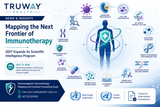
Mapping the Next Frontier of Immunotherapy: QSIT Expands Its Scientific Intelligence Program
Truway Health has expanded the scientific-intelligence framework supporting the Electromagnetic Immu...
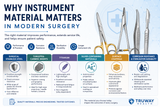
Why Instrument Material Matters in Modern Surgery
Material Is a Functional Decision, Not Just a Specification A surgical instrument may look simple, b...

Today’s QSIT ImmunoNet Findings: Legionella, White Blood Cells, Ferroptosis, and the Future of Immune-Metabolic Mapping
A New Intelligence Layer for Immune Forecasting Today’s Truway Health QSIT ImmunoNet review focused...

Spatial Biology: Mapping Cells in Three Dimensions
For decades, scientists have studied cells one at a time. Spatial biology is changing that by reveal...
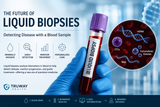
The Future of Liquid Biopsies: Detecting Disease with a Blood Sample
The Future of Liquid Biopsies: Detecting Disease with a Blood Sample Imagine detecting certain disea...