
Revolutionizing Healthcare: The Impact of Technology on Wellness

In the ever-evolving landscape of healthcare, technology has emerged as a powerful force, transforming the way we approach wellness. From the convenience of telemedicine to the integration of wearable devices, these technological advancements are reshaping the healthcare industry, making it more accessible, efficient, and patient-centric than ever before.
Telemedicine: Bridging Gaps in Healthcare Access
Telemedicine, a revolutionary advancement in healthcare technology, has broken down barriers to access by enabling remote medical consultations. This technology allows patients to connect with healthcare professionals from the comfort of their homes, eliminating the need for travel and minimizing wait times. The convenience of telemedicine has proven especially crucial in rural areas or for individuals with mobility challenges, ensuring that quality healthcare is within reach for all.
Benefits of Telemedicine:
- Accessibility for remote populations.
- Reduced healthcare costs and travel expenses.
- Timely and convenient access to medical advice.
Wearable Devices: Personalized Health at Your Fingertips
Wearable devices, such as fitness trackers and smartwatches, have become integral to the concept of personalized healthcare. These devices monitor various health metrics, including heart rate, sleep patterns, and physical activity, providing individuals with real-time insights into their well-being. This information empowers users to make informed decisions about their lifestyle and health, fostering a proactive approach to wellness.
Features of Wearable Devices:
- Continuous health monitoring.
- Fitness tracking and goal setting.
- Early detection of potential health issues.
Data Integration and Predictive Analytics: Enhancing Patient Care
The integration of technology in healthcare goes beyond individual devices, extending to comprehensive data management systems. Electronic Health Records (EHRs) and data analytics enable healthcare professionals to access and analyze patient information efficiently. This not only streamlines the care process but also allows for predictive analytics, helping identify patterns and potential health risks before they escalate.
Advantages of Data Integration:
- Improved coordination among healthcare providers.
- Enhanced accuracy in diagnosis and treatment.
- Early identification of health trends and risk factors.
Challenges and Considerations: Balancing Innovation and Privacy
While the impact of technology on healthcare is overwhelmingly positive, it's crucial to address challenges related to privacy and ethical considerations. Striking a balance between innovation and safeguarding sensitive patient data is imperative for maintaining trust in healthcare technology.
Considerations for Ethical Implementation:
- Robust security measures to protect patient data.
- Transparent communication about data usage and privacy policies.
- Regular updates and compliance with regulatory standards.
Conclusively and notwithstanding, the fusion of technology and healthcare is ushering in a new era of wellness. Telemedicine, wearable devices, and data integration are not just innovations but tools that empower individuals to take charge of their health. As these advancements continue to evolve, the healthcare industry stands at the forefront of a digital revolution that prioritizes accessibility, efficiency, and personalized care. Embracing these technological changes is not just a leap forward; it's a giant stride toward a healthier and more connected future.
Truway Health News & Insights

How to Build a Rewarding Nursing Career Step by Step
For aspiring nurses weighing a meaningful healthcare career against the demands of real-life caregiv...
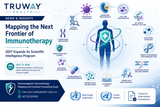
Mapping the Next Frontier of Immunotherapy: QSIT Expands Its Scientific Intelligence Program
Truway Health has expanded the scientific-intelligence framework supporting the Electromagnetic Immu...
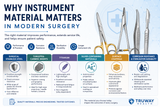
Why Instrument Material Matters in Modern Surgery
Material Is a Functional Decision, Not Just a Specification A surgical instrument may look simple, b...

Today’s QSIT ImmunoNet Findings: Legionella, White Blood Cells, Ferroptosis, and the Future of Immune-Metabolic Mapping
A New Intelligence Layer for Immune Forecasting Today’s Truway Health QSIT ImmunoNet review focused...
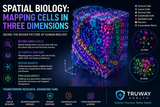
Spatial Biology: Mapping Cells in Three Dimensions
For decades, scientists have studied cells one at a time. Spatial biology is changing that by reveal...
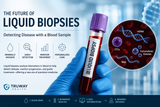
The Future of Liquid Biopsies: Detecting Disease with a Blood Sample
The Future of Liquid Biopsies: Detecting Disease with a Blood Sample Imagine detecting certain disea...