
Pharmaceuticals: Understanding it's impact on modern medicine

Pharmaceuticals are an essential component of modern healthcare, playing a vital role in the diagnosis, treatment, and prevention of diseases. These drugs have revolutionized the medical industry, leading to improved health outcomes, increased life expectancy, and better quality of life for millions of people around the world.
The development of new drugs and pharmaceuticals has led to significant advancements in medical treatment. These medicines are designed to treat specific diseases, alleviate symptoms, and improve overall health. From antibiotics to painkillers, anti-cancer drugs, and vaccines, pharmaceuticals have made it possible to treat and cure many diseases that were once considered fatal.
One of the most significant contributions of pharmaceuticals to modern healthcare is the ability to prevent diseases. Vaccines, for example, have been instrumental in the eradication of several deadly diseases such as smallpox, measles, and polio. Other preventive measures such as cholesterol-lowering drugs, blood pressure medications, and insulin have helped millions of people manage chronic conditions and prevent serious complications.
Pharmaceuticals have also played a crucial role in extending life expectancy. The development of drugs that treat chronic conditions such as diabetes, heart disease, and cancer has led to longer and healthier lives. In some cases, these drugs have even been able to reverse the course of certain diseases, allowing patients to recover fully and resume their normal lives.
Despite the many benefits of pharmaceuticals, there are also some drawbacks. The cost of many drugs can be prohibitive, making them inaccessible to some people who need them. Moreover, there is a risk of side effects and adverse reactions associated with some drugs. It is essential to balance the potential benefits of any medication with its potential risks and side effects.
Conclusively, pharmaceuticals have had a significant impact on modern healthcare. These drugs have led to significant advancements in medical treatment, prevention of diseases, and improved quality of life. However, it is essential to consider the potential risks and costs associated with these drugs, and to use them judiciously to ensure maximum benefits to patients.
Truway Health News & Insights

How to Build a Rewarding Nursing Career Step by Step
For aspiring nurses weighing a meaningful healthcare career against the demands of real-life caregiv...
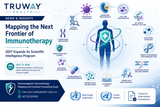
Mapping the Next Frontier of Immunotherapy: QSIT Expands Its Scientific Intelligence Program
Truway Health has expanded the scientific-intelligence framework supporting the Electromagnetic Immu...

Why Instrument Material Matters in Modern Surgery
Material Is a Functional Decision, Not Just a Specification A surgical instrument may look simple, b...

Today’s QSIT ImmunoNet Findings: Legionella, White Blood Cells, Ferroptosis, and the Future of Immune-Metabolic Mapping
A New Intelligence Layer for Immune Forecasting Today’s Truway Health QSIT ImmunoNet review focused...

Spatial Biology: Mapping Cells in Three Dimensions
For decades, scientists have studied cells one at a time. Spatial biology is changing that by reveal...
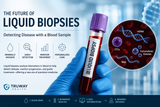
The Future of Liquid Biopsies: Detecting Disease with a Blood Sample
The Future of Liquid Biopsies: Detecting Disease with a Blood Sample Imagine detecting certain disea...