
Maintaining Your Medical Equipment: Best Practices for Longevity and Safety
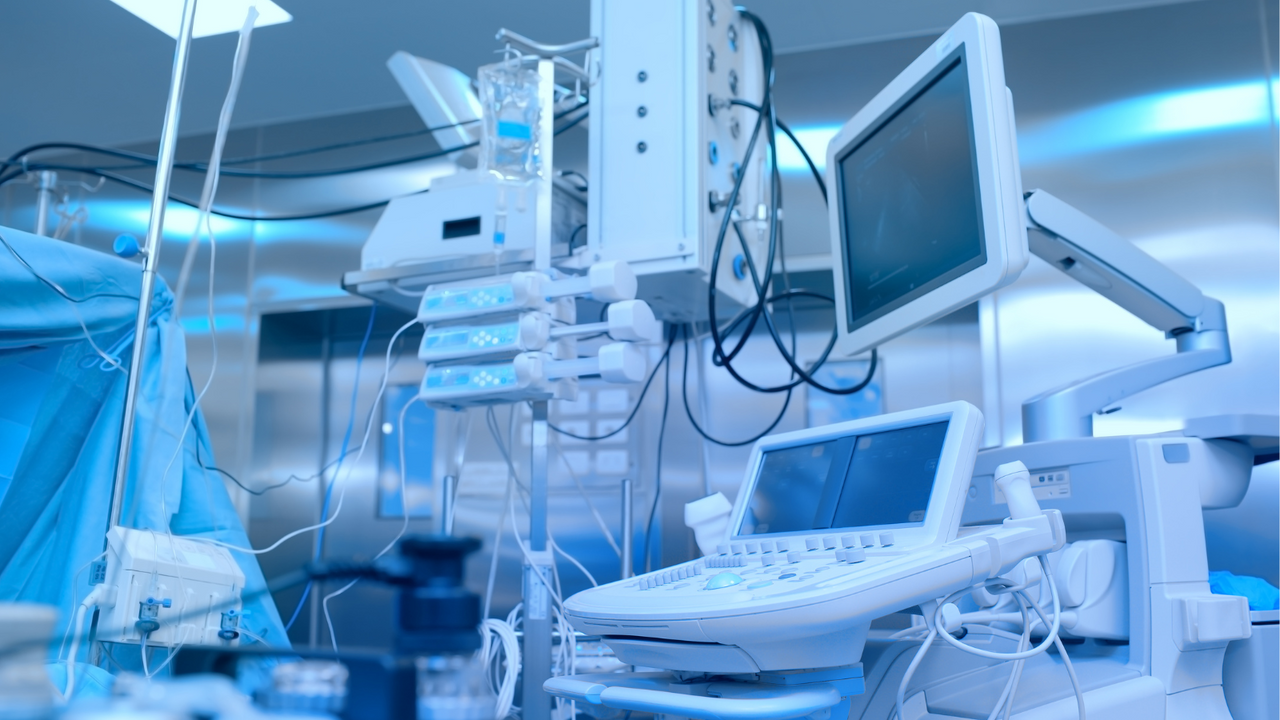
Medical equipment, whether it’s a simple stethoscope or a complex MRI machine, plays a pivotal role in patient care. Ensuring that these instruments are in prime working condition is not just essential for their longevity but is crucial for the safety of both patients and healthcare providers. Proper maintenance can also prevent unexpected costs and interruptions in service. Here are some best practices for maintaining your medical equipment to ensure both longevity and safety.
1. Regular Inspection & Calibration
Always follow the manufacturer's guidelines when it comes to the frequency of inspections and calibrations. Regular checks can help identify minor issues before they become major problems. For tools like blood pressure monitors or glucometers, regular calibration ensures accurate readings, which is critical for patient care.
2. Proper Cleaning and Disinfection
Each piece of equipment will have specific cleaning guidelines. While some devices may require simple wiping down, others might need more thorough disinfection. Always use the recommended cleaning agents to avoid damage to the equipment or leaving harmful residues.
3. Train Your Staff
Ensure that every person using the equipment is properly trained, not only in its operation but also in basic maintenance and troubleshooting. Misuse can be a primary cause of wear and tear.
4. Timely Repairs
Never postpone repairs. If a piece of equipment shows signs of malfunction, address the issue immediately. Using malfunctioning equipment can compromise patient safety and further damage the equipment.
5. Environment Check
Many medical instruments require specific environmental conditions such as temperature and humidity levels to function effectively. Ensure these conditions are consistently met, especially for sensitive equipment like lab instruments or refrigeration units.
6. Software Updates
For equipment that relies on software, regular updates are crucial. Manufacturers often release patches that fix bugs, improve performance, or enhance security features.
7. Replace Consumables
Items like filters, batteries, and other consumables should be replaced as per the manufacturer's guidelines. Using equipment with depleted consumables can affect its functionality and might even be unsafe.
8. Maintain a Maintenance Log
Document every maintenance activity, be it a routine check, repair, or parts replacement. This log can help in troubleshooting future issues, verifying warranty claims, and ensuring regular maintenance.
9. Seek Expertise
While routine checks can be done in-house, consider hiring specialists for more comprehensive annual checks or for equipment that requires specialized knowledge.
10. Plan for Obsolescence
No matter how well you maintain your equipment, it will eventually become outdated. Stay updated with the latest models and technologies and plan for eventual replacements.
Maintaining medical equipment isn’t just a regulatory requirement or a cost-saving measure; it’s a commitment to patient safety and care. By integrating these best practices into your maintenance routine, you ensure that your equipment performs optimally throughout its lifespan, providing accurate, reliable results every time.
Truway Health News & Insights

How to Build a Rewarding Nursing Career Step by Step
For aspiring nurses weighing a meaningful healthcare career against the demands of real-life caregiv...

Mapping the Next Frontier of Immunotherapy: QSIT Expands Its Scientific Intelligence Program
Truway Health has expanded the scientific-intelligence framework supporting the Electromagnetic Immu...
Why Instrument Material Matters in Modern Surgery
Material Is a Functional Decision, Not Just a Specification A surgical instrument may look simple, b...

Today’s QSIT ImmunoNet Findings: Legionella, White Blood Cells, Ferroptosis, and the Future of Immune-Metabolic Mapping
A New Intelligence Layer for Immune Forecasting Today’s Truway Health QSIT ImmunoNet review focused...

Spatial Biology: Mapping Cells in Three Dimensions
For decades, scientists have studied cells one at a time. Spatial biology is changing that by reveal...

The Future of Liquid Biopsies: Detecting Disease with a Blood Sample
The Future of Liquid Biopsies: Detecting Disease with a Blood Sample Imagine detecting certain disea...