
Is Bioprinting the Future of Organ Transplants?
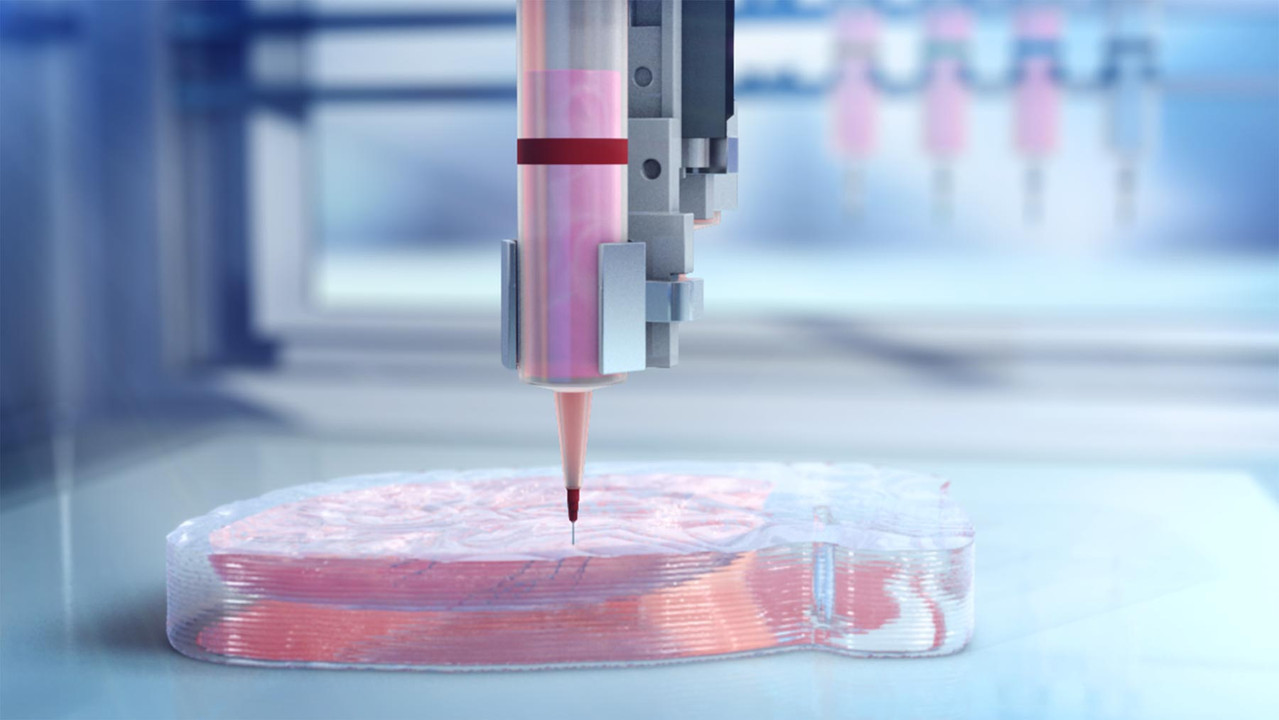
Bioprinting is an emerging technology that has the potential to revolutionize the field of organ transplants. Bioprinting involves using 3D printing technology to create living tissues and organs by depositing living cells in a precise pattern. This technology has the potential to address the shortage of organ donors and the high failure rates of transplanted organs.
One of the main advantages of bioprinting is the ability to create organs that are genetically identical to the patient, which eliminates the need for immunosuppressive drugs and the risk of rejection. Additionally, bioprinting allows for the creation of functional, complex structures such as blood vessels, which are crucial for the survival of transplanted organs.
Currently, researchers are working on bioprinting several types of organs, including the liver, heart, and kidney. In the future, bioprinting may also be used to create other organs such as the pancreas and lungs.
Bioprinting is still in the early stages of development, and it may be several years before it becomes a viable option for organ transplants. Additionally, there are still several challenges that need to be addressed, such as ensuring that the printed organs have the same functionality and durability as native organs, and addressing the ethical considerations surrounding the use of bioprinting for organ transplants.
In conclusion, bioprinting is an emerging technology with the potential to revolutionize the field of organ transplants by addressing the shortage of organ donors and the high failure rates of transplanted organs. While still in the early stages of development, it is a promising area of research that may offer new solutions for patients in need of organ transplants in the future.
Truway Health News & Insights
3D Ultrasound vs. Traditional Ultrasound: What Is the Difference?
Introduction Ultrasound is one of the most widely used medical imaging technologies. It uses high-fr...

Autumn Healthcare Tips & Tricks: A Simple Guide to Staying Well This Season
As the leaves change, so do our routines. Autumn brings cooler temperatures, shorter days, changing...
TruWay Health Announces OMNIPHYS: A 20-Year Multimodal Physiologic State Intelligence Research Program
PRESS RELEASE TruWay Health Announces OMNIPHYS: A 20-Year Multimodal Physiologic State Intellige...

Truway Health Announces ClinicalTrials.gov Registration of 50-Year Prospective Study Examining “Clinical Time” and Temporal Dynamics in Patient Health
PRESS RELEASE Truway Health Announces ClinicalTrials.gov Registration of 50-Year Prospective...
TruWay Health Advances FUSION-72 Study to Investigate Multimodal Digital Biomarkers for Acute Deterioration
TruWay Health Advances FUSION-72 Study to Investigate Multimodal Digital Biomarkers for Acute Deteri...
Truway Health Releases TRU-OMNIBODY Whole-Body Digital Twin and Physiologic Resilience Study
FOR IMMEDIATE RELEASE Truway Health Releases TRU-OMNIBODY Whole-Body Digital Twin and Physiologic Re...