
How to Properly Perform Infection Control In Healthcare Settings & Why It's Important?

Iinfection control is a critical aspect of healthcare, as it helps to prevent the spread of infections and diseases within healthcare settings. Proper infection control measures are essential for protecting both patients and healthcare workers, as well as ensuring the overall safety and quality of care in healthcare facilities.
Here are some key steps for properly performing infection control in healthcare settings:
- Hand hygiene: One of the most important infection control measures is hand hygiene. This includes washing hands with soap and water or using alcohol-based hand sanitizers. Hands should be washed before and after patient contact, as well as after handling bodily fluids or potentially contaminated surfaces.
- Personal protective equipment (PPE): Healthcare workers should use appropriate PPE, such as gloves, masks, and gowns, to protect themselves and prevent the spread of infections. PPE should be used as directed and discarded properly after each use.
- Environmental cleaning: Proper cleaning and disinfection of surfaces and equipment is essential for preventing the spread of infections. This includes frequently touched surfaces, such as bed rails and doorknobs, as well as medical equipment. Disinfectant products should be used according to the manufacturer’s instructions.
- Isolation precautions: Patients with certain infections or diseases may need to be isolated to prevent the spread of the infection to others. Isolation precautions may include using a private room, masking, and/or gowning and gloving when caring for the patient.
- Vaccinations: Vaccinations can help protect both healthcare workers and patients from certain infections. It is important for healthcare workers to stay up to date on recommended vaccinations, such as the flu vaccine.
- Education and training: Healthcare workers should be educated on infection control measures and properly trained on how to use PPE and follow infection control protocols. Regular reminders and updates on infection control guidelines can also be helpful.
By following these infection control measures, healthcare facilities can help protect patients and staff and provide a safe and sanitary environment for care.
Truway Health News & Insights
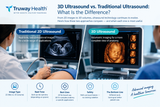
3D Ultrasound vs. Traditional Ultrasound: What Is the Difference?
Introduction Ultrasound is one of the most widely used medical imaging technologies. It uses high-fr...

Autumn Healthcare Tips & Tricks: A Simple Guide to Staying Well This Season
As the leaves change, so do our routines. Autumn brings cooler temperatures, shorter days, changing...
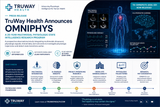
TruWay Health Announces OMNIPHYS: A 20-Year Multimodal Physiologic State Intelligence Research Program
PRESS RELEASE TruWay Health Announces OMNIPHYS: A 20-Year Multimodal Physiologic State Intellige...

Truway Health Announces ClinicalTrials.gov Registration of 50-Year Prospective Study Examining “Clinical Time” and Temporal Dynamics in Patient Health
PRESS RELEASE Truway Health Announces ClinicalTrials.gov Registration of 50-Year Prospective...

TruWay Health Advances FUSION-72 Study to Investigate Multimodal Digital Biomarkers for Acute Deterioration
TruWay Health Advances FUSION-72 Study to Investigate Multimodal Digital Biomarkers for Acute Deteri...

Truway Health Releases TRU-OMNIBODY Whole-Body Digital Twin and Physiologic Resilience Study
FOR IMMEDIATE RELEASE Truway Health Releases TRU-OMNIBODY Whole-Body Digital Twin and Physiologic Re...