
Emerging Wearable Health Technologies: Beyond Fitness Trackers

Emerging Wearable Health Technologies: Beyond Fitness Trackers
In today’s digitally connected era, wearable technology has become synonymous with tracking our steps and monitoring our sleep. But as technology evolves, we're witnessing a shift from basic fitness trackers to advanced wearable health devices capable of making a real difference in patient care and overall wellness. Let's dive deep into some of these emerging wearable health technologies that promise to revolutionize the health sector.
1. Continuous Glucose Monitors (CGM)
For diabetics, frequent finger-pricking is both inconvenient and uncomfortable. Continuous glucose monitors provide real-time glucose levels, alerting users when levels are too high or too low. Not only does this allow for better glucose management, but it also provides valuable data for healthcare providers.
2. Wearable ECG Monitors
With cardiovascular diseases being a leading cause of death worldwide, wearable ECG (electrocardiogram) monitors can be life-saving. These devices can continuously monitor heart rhythms, detecting irregularities like atrial fibrillation, which can be a precursor to stroke.
3. Smart Contact Lenses
While still in their early stages, smart contact lenses hold potential not just for vision correction but also for monitoring health metrics. Companies are researching lenses that can monitor glucose levels through tears or even assist in the early detection of conditions like glaucoma.
4. Wearable Blood Pressure Monitors
Hypertension, or high blood pressure, is often termed the "silent killer." Wearable BP monitors allow users to keep track of their blood pressure in real-time, helping in timely intervention and better disease management.
5. Neural Interface Wearables
A leap into the future, neural interface wearables aim to bridge the gap between the human brain and devices. These can potentially help people with paralysis or neurological disorders to control external devices using their thoughts.
6. Wearable Biosensors
These are designed to detect and analyze sweat, which contains a plethora of biochemical markers. By analyzing sweat, these biosensors can offer insights into the wearer’s hydration levels, electrolyte balance, and even lactate thresholds. This can be crucial for athletes and for those working in extreme conditions.
7. Oxygen Saturation Monitors
Crucial for patients with conditions such as sleep apnea or COPD (Chronic Obstructive Pulmonary Disease), these wearables monitor oxygen saturation in the bloodstream, providing crucial data and alerting wearers of dangerous drops.
8. Temperature-monitoring Wearables
The recent global pandemic has shown the importance of early detection in disease spread. Wearables that continuously monitor body temperature can detect fevers early, potentially acting as a first line of defense in epidemic prevention.
Final Thoughts
Wearable health technologies are extending the boundaries of how we monitor and manage our health. As these devices become more integrated into our lives, the data they provide could offer profound insights into our personal health and lead to tailored healthcare solutions.
However, as with all technological advancements, there's a need for thoughtful discussions around privacy, data security, and ethics. It's essential to strike a balance between leveraging these tools for improved health outcomes and ensuring individual rights and freedoms are preserved. The future is promising, and as technology continues to evolve, the horizon of possibilities in wearable health tech continues to expand.
Truway Health News & Insights

How to Build a Rewarding Nursing Career Step by Step
For aspiring nurses weighing a meaningful healthcare career against the demands of real-life caregiv...
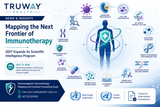
Mapping the Next Frontier of Immunotherapy: QSIT Expands Its Scientific Intelligence Program
Truway Health has expanded the scientific-intelligence framework supporting the Electromagnetic Immu...

Why Instrument Material Matters in Modern Surgery
Material Is a Functional Decision, Not Just a Specification A surgical instrument may look simple, b...

Today’s QSIT ImmunoNet Findings: Legionella, White Blood Cells, Ferroptosis, and the Future of Immune-Metabolic Mapping
A New Intelligence Layer for Immune Forecasting Today’s Truway Health QSIT ImmunoNet review focused...
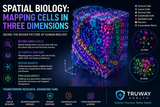
Spatial Biology: Mapping Cells in Three Dimensions
For decades, scientists have studied cells one at a time. Spatial biology is changing that by reveal...
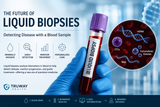
The Future of Liquid Biopsies: Detecting Disease with a Blood Sample
The Future of Liquid Biopsies: Detecting Disease with a Blood Sample Imagine detecting certain disea...