
Creating a Hygienic Healthcare Environment: The Role of Cleaning and Disinfection Products
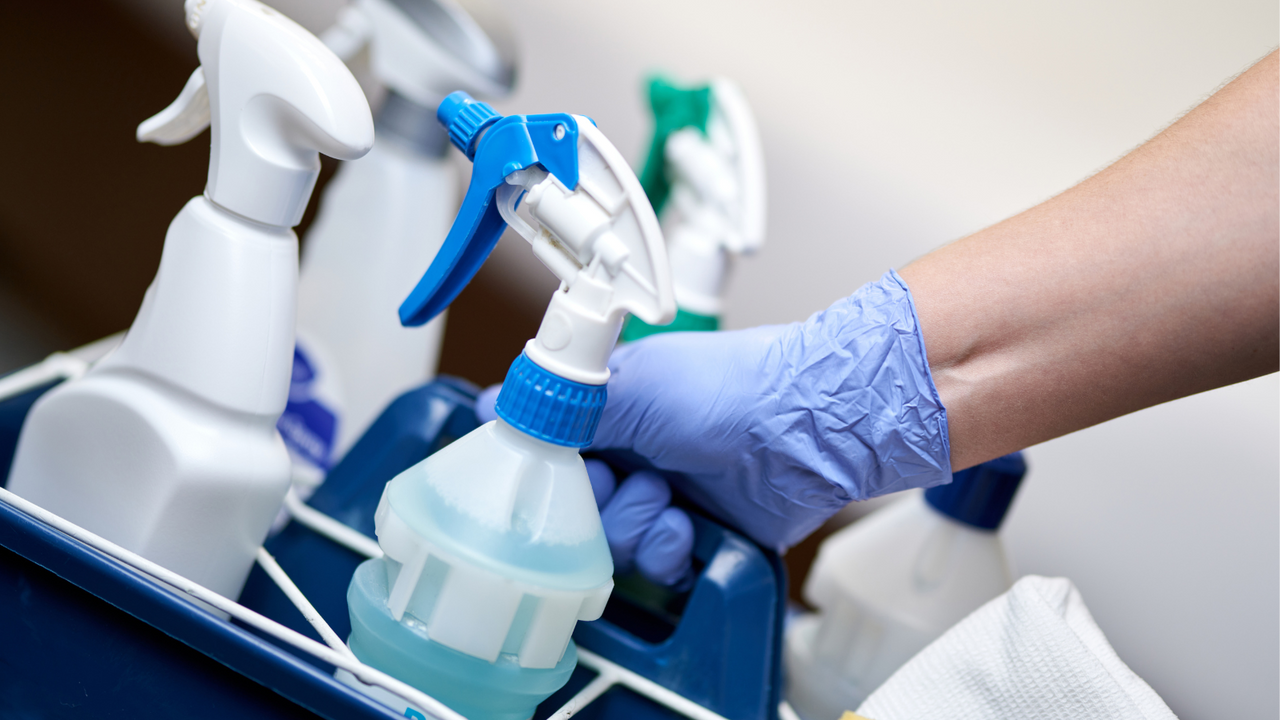
A hygienic healthcare environment is paramount to patient safety and the prevention of healthcare-associated infections (HAIs). Effective cleaning and disinfection practices play a critical role in maintaining a sterile and safe environment in hospitals, clinics, and other healthcare settings. In this blog post, we will delve into the significance of cleaning and disinfection products and their role in creating a hygienic healthcare environment.
The Importance of a Clean Healthcare Environment
A clean healthcare environment is essential for several reasons:
- Preventing HAIs: Healthcare-associated infections are a significant concern for patients, healthcare providers, and administrators alike. Contaminated surfaces and equipment can harbor harmful pathogens, leading to the spread of infections among vulnerable patients.
- Enhancing Patient Safety: A clean and well-maintained healthcare environment reduces the risk of accidents and injuries. Slip and fall incidents due to spills or debris can be prevented with proper cleaning practices.
- Supporting Healing and Recovery: Patients in healthcare facilities are often battling illnesses or recovering from medical procedures. A clean and sanitized environment promotes healing by minimizing exposure to additional pathogens.
The Role of Cleaning Products
Cleaning is the first step in maintaining a hygienic healthcare environment. Cleaning products are designed to remove dirt, dust, and organic matter from surfaces. Some key cleaning products include:
- Disinfectant Cleaners: These products effectively clean and disinfect surfaces in one step, saving time and effort. They kill or inactivate a broad spectrum of pathogens, including bacteria, viruses, and fungi.
- Surface Wipes: Disposable surface wipes are convenient for quick cleaning and disinfection of frequently-touched areas, such as doorknobs, handrails, and patient bedrails.
- Floor Cleaners: Floors are high-traffic areas in healthcare facilities and require regular cleaning to maintain cleanliness and prevent the spread of contaminants.
- Glass and Surface Cleaners: These products are formulated to leave surfaces streak-free and clean, improving the aesthetics of the healthcare environment.
The Role of Disinfection Products
Disinfection is the process of eliminating or reducing harmful microorganisms on surfaces to prevent the spread of infections. Disinfection products play a crucial role in creating a safe and sterile healthcare environment. Some important disinfection products include:
- Alcohol-Based Hand Sanitizers: Hand hygiene is one of the most effective ways to prevent the transmission of infections. Alcohol-based hand sanitizers are quick and convenient for regular use by healthcare providers and visitors.
- Surface Disinfectants: These products are specifically designed to disinfect non-porous surfaces, such as medical equipment, countertops, and treatment areas. They are essential for preventing cross-contamination.
- High-Level Disinfectants: For medical instruments and equipment that require sterilization, high-level disinfectants are used to ensure they are free from harmful microorganisms.
Best Practices for Cleaning and Disinfection
To maintain a hygienic healthcare environment, it is essential to follow best practices for cleaning and disinfection:
- Develop a Cleaning Protocol: Establish a comprehensive cleaning protocol that outlines the frequency of cleaning, areas to be cleaned, and specific products to use.
- Train Healthcare Staff: Provide proper training to healthcare staff on the correct use of cleaning and disinfection products to ensure consistency and effectiveness.
- Use EPA-Approved Products: Select cleaning and disinfection products that are approved by the Environmental Protection Agency (EPA) to ensure their efficacy against pathogens.
- Focus on High-Touch Surfaces: Prioritize cleaning and disinfecting frequently-touched surfaces, such as bed rails, call buttons, light switches, and remote controls.
Creating a hygienic healthcare environment is a shared responsibility among healthcare providers, administrators, and patients. The role of cleaning and disinfection products cannot be underestimated in maintaining a safe and sterile environment that promotes healing and prevents infections. By adopting best practices, using effective products, and staying vigilant in cleaning protocols, healthcare facilities can ensure patient safety and enhance the overall healthcare experience. As a trusted medical supply and equipment distribution business, we are committed to providing healthcare facilities with high-quality cleaning and disinfection products to support their efforts in maintaining a hygienic and safe healthcare environment. Together, we can make a significant impact on patient care and well-being.
Truway Health News & Insights

How to Build a Rewarding Nursing Career Step by Step
For aspiring nurses weighing a meaningful healthcare career against the demands of real-life caregiv...
Mapping the Next Frontier of Immunotherapy: QSIT Expands Its Scientific Intelligence Program
Truway Health has expanded the scientific-intelligence framework supporting the Electromagnetic Immu...
Why Instrument Material Matters in Modern Surgery
Material Is a Functional Decision, Not Just a Specification A surgical instrument may look simple, b...

Today’s QSIT ImmunoNet Findings: Legionella, White Blood Cells, Ferroptosis, and the Future of Immune-Metabolic Mapping
A New Intelligence Layer for Immune Forecasting Today’s Truway Health QSIT ImmunoNet review focused...

Spatial Biology: Mapping Cells in Three Dimensions
For decades, scientists have studied cells one at a time. Spatial biology is changing that by reveal...
The Future of Liquid Biopsies: Detecting Disease with a Blood Sample
The Future of Liquid Biopsies: Detecting Disease with a Blood Sample Imagine detecting certain disea...