
Building a Strong Immune System: Lifestyle Habits for Enhanced Immunity
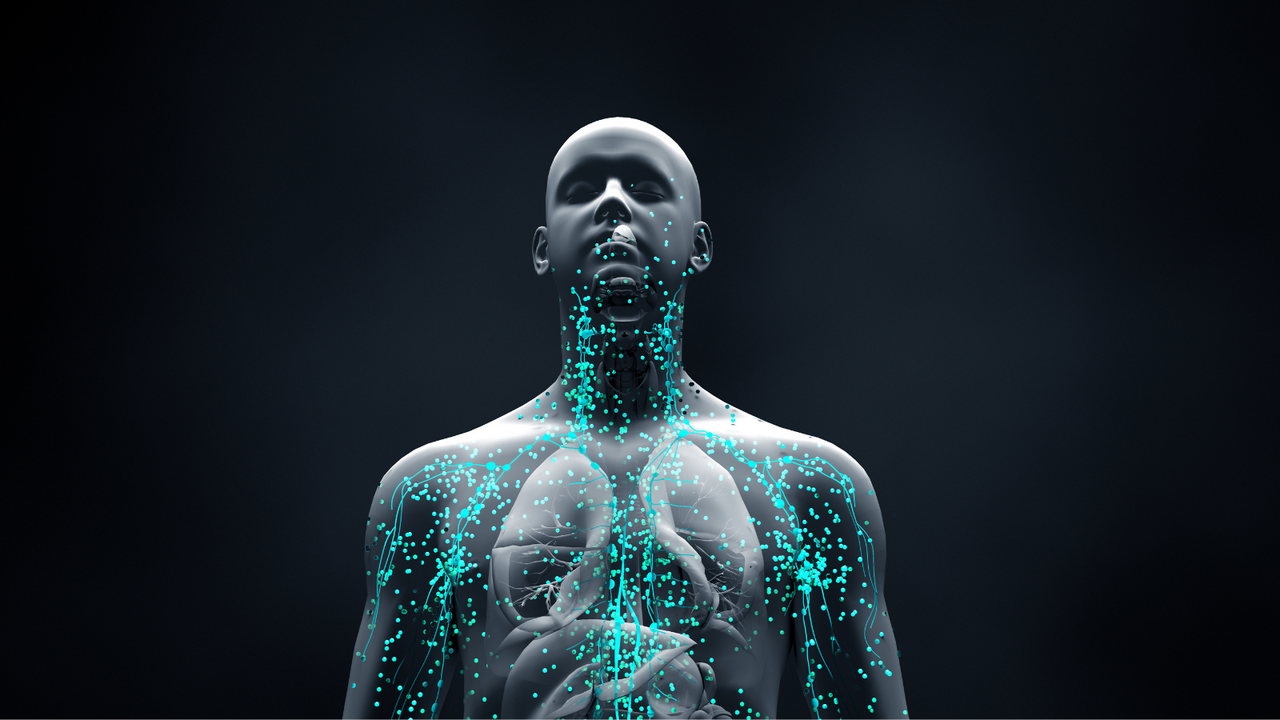
In today's fast-paced world, maintaining good health and a robust immune system has never been more crucial. Our immune system acts as the body's defense mechanism, protecting us against a wide range of illnesses, infections, and diseases. While genetics do play a role in immune health, there are several lifestyle habits that we can adopt to strengthen our immune system and improve our overall well-being. In this blog post, we will explore some key lifestyle habits that can contribute to building a strong immune system.
Nutrient-Rich Diet
A balanced and nutrient-rich diet is fundamental to supporting a healthy immune system. Consuming a variety of fruits, vegetables, whole grains, lean proteins, and healthy fats provides the body with the essential vitamins, minerals, and antioxidants it needs to function optimally. Vitamins such as vitamin C, vitamin D, and zinc, as well as antioxidants like beta-carotene and selenium, play crucial roles in immune function. Incorporate foods like citrus fruits, leafy greens, nuts, seeds, and fatty fish into your diet to ensure you're getting a wide range of nutrients.
Regular Exercise
Regular physical activity has numerous benefits for the body, including enhancing immune function. Exercise helps improve circulation, reduce inflammation, and support the production of immune cells. Aim for at least 150 minutes of moderate-intensity aerobic exercise or 75 minutes of vigorous-intensity exercise per week, along with strength training exercises. Engaging in activities like brisk walking, cycling, swimming, and yoga can contribute to a stronger immune system.
Quality Sleep
Sleep is a vital component of immune health. During sleep, the body repairs and rejuvenates itself, and the immune system is no exception. Aim for 7-9 hours of quality sleep each night. Establish a consistent sleep schedule, create a relaxing bedtime routine, and ensure your sleep environment is conducive to rest. Limiting screen time before bed and avoiding caffeine and heavy meals close to bedtime can help improve sleep quality.
Stress Management
Chronic stress can negatively impact immune function. When the body is under stress, it releases hormones like cortisol, which can suppress immune activity. Engage in stress-reducing activities such as meditation, deep breathing, mindfulness, and hobbies you enjoy. Regular exercise and spending time in nature can also help alleviate stress and promote a healthy immune response.
Hydration
Staying adequately hydrated is essential for overall health and immune function. Water helps transport nutrients, flush toxins, and maintain the balance of bodily fluids. Aim to drink at least 8 glasses of water a day, and adjust your intake based on factors like activity level and climate.
Limit Alcohol and Avoid Smoking
Excessive alcohol consumption and smoking can weaken the immune system and make the body more susceptible to infections. If you choose to consume alcohol, do so in moderation, and if you smoke, consider quitting to support your immune health.
Maintain a Healthy Weight
Being overweight or underweight can affect immune function. Aim to maintain a healthy weight through a combination of a balanced diet and regular exercise.
Building a strong immune system is a lifelong journey that requires consistent effort and dedication to healthy lifestyle habits. By adopting a nutrient-rich diet, engaging in regular exercise, prioritizing quality sleep, managing stress, staying hydrated, and making choices that support overall health, you can enhance your immune system's ability to protect you from illnesses and infections. Remember that small, positive changes to your daily routine can have a significant impact on your immune health over time.
Truway Health News & Insights

How to Build a Rewarding Nursing Career Step by Step
For aspiring nurses weighing a meaningful healthcare career against the demands of real-life caregiv...

Mapping the Next Frontier of Immunotherapy: QSIT Expands Its Scientific Intelligence Program
Truway Health has expanded the scientific-intelligence framework supporting the Electromagnetic Immu...

Why Instrument Material Matters in Modern Surgery
Material Is a Functional Decision, Not Just a Specification A surgical instrument may look simple, b...

Today’s QSIT ImmunoNet Findings: Legionella, White Blood Cells, Ferroptosis, and the Future of Immune-Metabolic Mapping
A New Intelligence Layer for Immune Forecasting Today’s Truway Health QSIT ImmunoNet review focused...

Spatial Biology: Mapping Cells in Three Dimensions
For decades, scientists have studied cells one at a time. Spatial biology is changing that by reveal...

The Future of Liquid Biopsies: Detecting Disease with a Blood Sample
The Future of Liquid Biopsies: Detecting Disease with a Blood Sample Imagine detecting certain disea...