
Best Ways to Verify Medical Device Authenticity in 2026
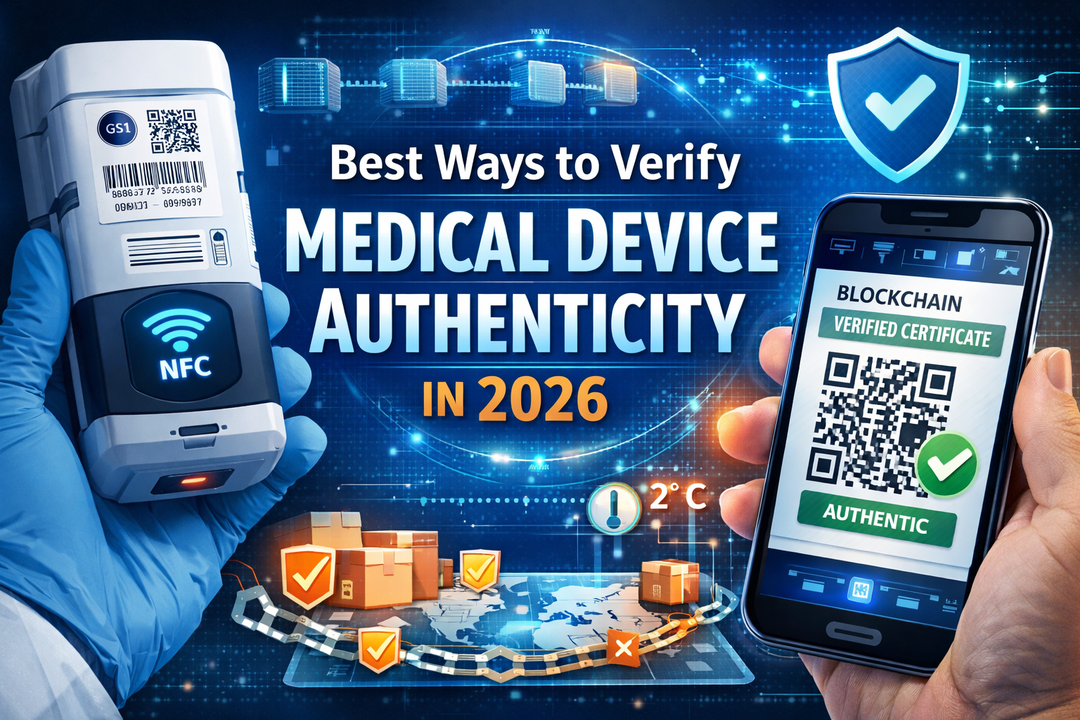
Best Ways to Verify Medical Device Authenticity in 2026
Counterfeit medical devices are a growing global threat. In 2026, verifying authenticity requires more than visual inspection—it demands real-time, data-driven validation systems.
This guide explores the most advanced methods used by modern healthcare systems to ensure device integrity, compliance, and patient safety.
Request a Truway Health Demo
1. GS1 Barcodes & Serialization
GS1 barcodes provide standardized product identification across global supply chains. Learn more in our GS1 healthcare barcode guide.
- Scan at every checkpoint
- Validate lot + serial numbers
- Detect duplication instantly
2. UDI Database Verification
Unique Device Identification (UDI) systems link devices to regulatory databases. Read our full breakdown: UDI explained.
- Cross-check FDA records
- Verify manufacturer data
- Automate intake validation
3. NFC & RFID Authentication
Smart chips embedded in devices allow real-time authentication. See how it works: NFC in healthcare.
- Tap-to-verify systems
- Real-time tracking
- Tamper detection
4. Blockchain Certificates (NFT COA)
Blockchain enables immutable verification. Learn more: Blockchain in healthcare supply chains.
- Proof of origin
- Immutable audit trails
- Smart contract enforcement
5. Chain-of-Custody Tracking
Every transaction and transfer must be recorded and verified.
- Serialized logistics tracking
- Environmental monitoring
- Verified handoffs
6. AI-Based Packaging Verification
AI systems detect counterfeit packaging through visual analysis.
- Font + label validation
- Packaging anomaly detection
- Automated quality control
Speak with a Truway Specialist
The 2026 Gold Standard
The most secure systems combine multiple verification layers:
- Barcode + UDI scan
- NFC/RFID validation
- Blockchain certificate check
- AI verification
Common Risks to Avoid
- Unauthorized suppliers
- Lack of tracking systems
- Manual-only verification
Final Thoughts
Authenticity in healthcare is no longer optional—it is a requirement for safety, compliance, and trust.
Truway Health News & Insights

Healthcare Procurement Readiness: Building a More Resilient Clinical Supply Chain
Healthcare supply chains are often judged by a simple question: Did the product arrive? But for hosp...

Pass-Through Chambers and Material Flow in Controlled Healthcare Environments
Controlled healthcare environments depend on more than clean surfaces and filtered air. The way mate...

The Last 10 Feet of Medical Logistics: Why Storage and Handling Matter After Delivery
The tracking page says “Delivered.” The cartons have arrived, the packing slip is signed, and the or...

From PubMed Headline to Clinical Practice: Five Questions to Ask About a New Study
A new study appears in your feed. The headline promises earlier diagnosis, faster recovery, or a tr...

When Fall Feels Heavy: Seasonal Changes and Emotional Well-Being
Autumn arrives with golden leaves, cooler mornings, and invitations to get cozy. But you do not have...
The $20 Accessory That Can Sideline a $20,000 Device
The equipment has arrived. The team has cleared space, scheduled training, and prepared to put the n...