
3D Printing in Biotechnology and Healthcare: Revolutionizing Medicine ©

3D printing, a rapidly evolving technology, has found groundbreaking applications in biotechnology and healthcare. This post explores how this technology is reshaping medical practices and offering new hopes for patient care.
1. Customized Prosthetics and Orthopedic Implants
Personalization for Better Outcomes
3D printing allows for the creation of custom-designed prosthetics and orthopedic implants, tailored to the individual's anatomy. This personalization ensures a better fit, increased comfort, and improved functionality.
Case Studies and Advances
- Bionic Limbs: 3D-printed bionic limbs, especially for children, are cost-effective and can be easily modified as the child grows.
- Spinal Implants: Custom spinal implants have been successfully used in complex surgeries, reducing operation times and improving patient recovery.
2. Bioprinting of Tissues and Organs
The Frontier of Regenerative Medicine
Bioprinting, a subset of 3D printing, involves creating tissue and organ structures layer by layer using living cells. It’s a significant stride in regenerative medicine and transplantation.
Potential and Challenges
- Skin Grafts: Researchers have made progress in 3D printing skin for burn victims, which could revolutionize skin grafting procedures.
- Organ Transplantation: Although printing complex organs like hearts is still in the experimental stage, the potential to alleviate organ shortages is immense.
3. Pharmaceutical Research and Drug Delivery Systems
Tailoring Drug Dosages
3D printing enables the creation of drugs in complex geometries, allowing for precise control over drug release rates. This can lead to more effective and personalized medication regimes.
Innovations and Implications
- Polypills: The concept of polypills, where multiple drugs are combined into a single pill with distinct release times, is made possible through 3D printing.
- Rapid Prototyping: Rapid development of drug delivery systems and medical devices can significantly speed up pharmaceutical research and innovation.
4. Dental Applications and Maxillofacial Surgery
Precision and Efficiency in Dentistry
3D printing is revolutionizing dental practices by enabling the quick production of dental implants, crowns, bridges, and even complete dentures with remarkable precision.
Surgical Applications
In maxillofacial surgery, 3D-printed models of patients' jaws or skulls are used for pre-surgical planning, reducing surgery times and improving outcomes.
5. Medical Models and Surgical Planning
Enhancing Surgical Precision
Surgeons use 3D-printed anatomical models for preoperative planning. These models offer a tangible representation of patient anatomy, aiding in complex surgical procedures.
Education and Training
Medical models are also invaluable in educational settings, providing medical students with realistic, hands-on experience.
6. Hearing Aids and Auditory Devices
Revolutionizing Auditory Care
The majority of hearing aids are now 3D printed, allowing for rapid production and customization to the user's ear canal shape, enhancing comfort and effectiveness.
7. Challenges and Future Directions
Overcoming Barriers
The main challenges include regulatory hurdles, ensuring biocompatibility, and ethical considerations, especially in bioprinting.
The Road Ahead
The future of 3D printing in healthcare lies in continuous innovation, interdisciplinary collaboration, and addressing ethical and regulatory concerns.
Conclusion
3D printing in biotechnology and healthcare is not just a futuristic concept; it’s a present reality with immense potential. From custom prosthetics to the possibility of organ printing, this technology is set to transform medical care and patient outcomes. As we continue to explore its possibilities, we edge closer to a new era in medical science, where personalized and efficient care is not just a goal but a reality.
Truway Health ©
Truway Health News & Insights

Healthcare Equipment Interoperability: Understanding DICOM, HL7, and FHIR
Truway Health | Medical Technology, Digital Infrastructure & Healthcare Innovation Modern medical eq...
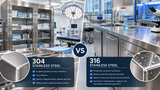
Medical-Grade Stainless Steel: Comparing 304 and 316 for Healthcare Equipment
Truway Health | Medical Equipment, Materials Engineering & Healthcare Procurement Not all stainless...

Winter Respiratory Season Preparedness: Essential Supplies for Caregivers and Clinics
Published October 18, 2026 | Truway Health News & Insights When respiratory illnesses rise, preparat...

What Families Should Know When a Loved One Enters Hospice Care
For families with a terminally ill loved one, the start of hospice can land like two realities at on...

Moving from RN to Family Nurse Practitioner What You Need to Know
Experienced registered nurses often reach a point where strong bedside skills still leave a lingerin...
The Guidewire Is Not a Commodity: The Hidden Safety Architecture of Coronary Care
How precision engineering, clinical intelligence, and medical-device traceability are redefining exp...