
Telemedicine: Revolutionizing Healthcare Delivery

The advent of telemedicine has transformed the healthcare landscape, offering patients and medical professionals convenient access to healthcare services regardless of geographical limitations. With the power of technology, telemedicine has emerged as a viable solution, revolutionizing healthcare delivery and bridging the gap between patients and healthcare providers. In this blog post, we will explore the incredible benefits and potential of telemedicine in revolutionizing the way we receive medical care.
Overcoming Geographical Barriers
One of the most significant advantages of telemedicine is its ability to overcome geographical barriers. In remote or underserved areas, where access to healthcare services may be limited, telemedicine brings specialized medical expertise directly to patients' homes. Patients can now connect with doctors and specialists from anywhere in the world, eliminating the need for long-distance travel and reducing the burden on healthcare infrastructure.
Enhanced Accessibility and Convenience
Telemedicine has made healthcare more accessible and convenient for patients. People living in rural areas, individuals with mobility issues, or those with busy schedules can now receive medical advice, consultations, and even prescriptions without leaving their homes. By leveraging video conferencing, phone calls, or secure messaging platforms, patients can connect with healthcare professionals and seek guidance for various non-emergency medical conditions.
Efficient and Cost-Effective Healthcare
The implementation of telemedicine has proven to be an efficient and cost-effective solution for both patients and healthcare providers. Telemedicine eliminates the need for in-person visits for routine check-ups or minor illnesses, reducing waiting times and congestion in hospitals and clinics. Patients no longer have to spend hours in crowded waiting rooms, as they can have virtual appointments with their healthcare providers at their convenience. Additionally, telemedicine has the potential to lower healthcare costs, particularly for those without medical insurance or living in regions with limited healthcare resources.
Continuity of Care and Remote Monitoring
Telemedicine enables continuous care for patients with chronic conditions, enhancing their quality of life. Remote monitoring devices, such as wearables and sensors, can collect real-time data on vital signs, glucose levels, or medication adherence. Healthcare providers can remotely access this information, monitor patients' progress, and make timely interventions when necessary. Such remote monitoring not only empowers patients to take control of their health but also reduces hospital readmissions and emergency room visits.
Timely Medical Consultations and Emergency Support
Telemedicine plays a crucial role in providing timely medical consultations, especially in emergency situations. Virtual consultations enable healthcare professionals to triage and provide immediate guidance to patients before they can physically reach a hospital. This can be life-saving in critical scenarios where time is of the essence. Moreover, telemedicine facilitates teletriage, where medical professionals can assess symptoms remotely and determine the appropriate level of care required, optimizing resource allocation and prioritizing patients accordingly.
Telemedicine has emerged as a game-changer in healthcare delivery, empowering patients with enhanced accessibility, cost-effective care, and continuous support. By leveraging technology, telemedicine eliminates geographical barriers, improves patient outcomes, and transforms the traditional healthcare model. While it cannot completely replace in-person medical care, telemedicine serves as a valuable complement to the existing healthcare system. As technology continues to advance, telemedicine will undoubtedly play an increasingly vital role in shaping the future of healthcare, making quality medical care accessible to all, regardless of location or circumstance.
Truway Health News & Insights
The 72-Hour Warning Window: What Biomarkers Can Tell Us About Clinical Deterioration
Introduction: Can the Human Body Signal an Emergency Before It Happens? What if healthcare professio...
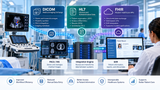
Healthcare Equipment Interoperability: Understanding DICOM, HL7, and FHIR
Truway Health | Medical Technology, Digital Infrastructure & Healthcare Innovation Modern medical eq...
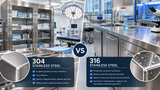
Medical-Grade Stainless Steel: Comparing 304 and 316 for Healthcare Equipment
Truway Health | Medical Equipment, Materials Engineering & Healthcare Procurement Not all stainless...

Winter Respiratory Season Preparedness: Essential Supplies for Caregivers and Clinics
Published October 18, 2026 | Truway Health News & Insights When respiratory illnesses rise, preparat...

What Families Should Know When a Loved One Enters Hospice Care
For families with a terminally ill loved one, the start of hospice can land like two realities at on...

Moving from RN to Family Nurse Practitioner What You Need to Know
Experienced registered nurses often reach a point where strong bedside skills still leave a lingerin...