
Important Advancements in the Diagnostic Equipment
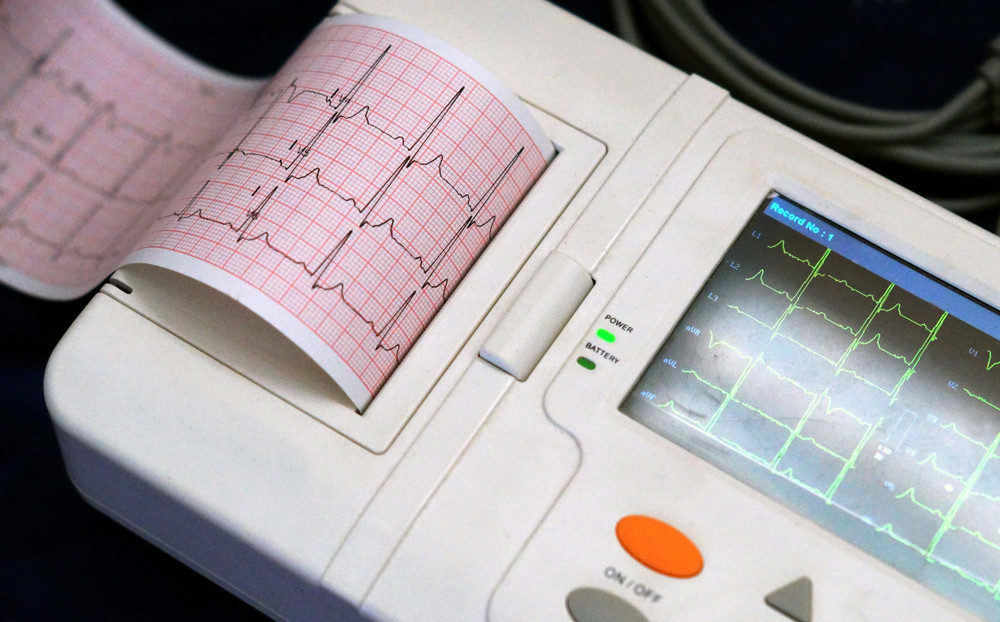
In recent years, there have been significant advancements in healthcare diagnostic equipment that are revolutionizing the way doctors diagnose and treat diseases. These advancements are not only making the diagnostic process more efficient, but they are also improving the accuracy of diagnosis and helping to reduce the cost of healthcare.
One of the most notable advancements in diagnostic equipment is the use of imaging technologies such as magnetic resonance imaging (MRI) and computed tomography (CT) scans. These imaging technologies use powerful magnets and X-rays to produce detailed images of the body's internal organs and structures, allowing doctors to identify and diagnose diseases with greater accuracy. For example, CT and MRI scans are used to diagnose cancer, heart disease, and other chronic conditions.
Another significant advancement in diagnostic equipment is the use of lab-on-a-chip technology. This technology allows for the rapid and accurate detection of diseases by analyzing small samples of blood, urine, or other bodily fluids. Lab-on-a-chip technology is particularly useful for diagnosing infectious diseases, as it can quickly identify the presence of specific pathogens in a sample.
In addition, there has been a rise in point-of-care diagnostic equipment, which allows healthcare professionals to perform diagnostic tests at the patient's bedside rather than sending the samples to a lab. These devices are small and portable and can provide results within minutes. These devices can be used for diagnostic tests for a range of diseases such as HIV, Malaria, and others.
Another important advancement in diagnostic equipment is the use of artificial intelligence (AI) and machine learning algorithms. These technologies are being integrated into diagnostic equipment to improve the accuracy of diagnosis and to make the diagnostic process more efficient. For example, AI algorithms are being used to analyze medical images and to identify patterns that may indicate the presence of a specific disease.
In conclusion, the advancements in healthcare diagnostic equipment are having a profound impact on the way diseases are diagnosed and treated. These technologies are making the diagnostic process more efficient, accurate, and cost-effective, and they are helping to improve the overall quality of healthcare. As these technologies continue to evolve, they will play an increasingly important role in the fight against disease and in improving the health of people around the world.
Truway Health News & Insights
3D Ultrasound vs. Traditional Ultrasound: What Is the Difference?
Introduction Ultrasound is one of the most widely used medical imaging technologies. It uses high-fr...

Autumn Healthcare Tips & Tricks: A Simple Guide to Staying Well This Season
As the leaves change, so do our routines. Autumn brings cooler temperatures, shorter days, changing...
TruWay Health Announces OMNIPHYS: A 20-Year Multimodal Physiologic State Intelligence Research Program
PRESS RELEASE TruWay Health Announces OMNIPHYS: A 20-Year Multimodal Physiologic State Intellige...
Truway Health Announces ClinicalTrials.gov Registration of 50-Year Prospective Study Examining “Clinical Time” and Temporal Dynamics in Patient Health
PRESS RELEASE Truway Health Announces ClinicalTrials.gov Registration of 50-Year Prospective...
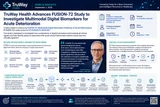
TruWay Health Advances FUSION-72 Study to Investigate Multimodal Digital Biomarkers for Acute Deterioration
TruWay Health Advances FUSION-72 Study to Investigate Multimodal Digital Biomarkers for Acute Deteri...
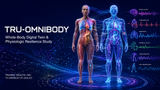
Truway Health Releases TRU-OMNIBODY Whole-Body Digital Twin and Physiologic Resilience Study
FOR IMMEDIATE RELEASE Truway Health Releases TRU-OMNIBODY Whole-Body Digital Twin and Physiologic Re...