
Understanding the Impact of Social Determinants of Health on Healthcare Access and Outcomes
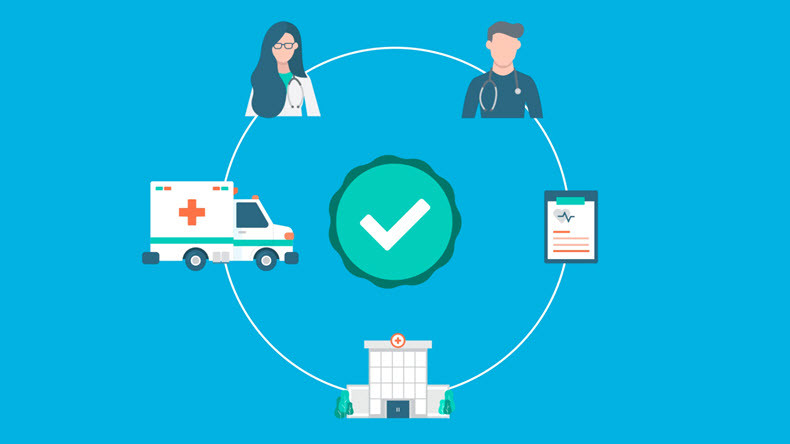
Healthcare access and outcomes are influenced by a variety of factors, including social determinants of health. Social determinants of health refer to the conditions in which people are born, grow, live, work, and age. These conditions include factors such as socioeconomic status, education, employment, housing, and access to healthcare services. The impact of social determinants of health on healthcare access and outcomes is a complex issue that requires a comprehensive understanding of the underlying factors.
One of the most significant impacts of social determinants of health on healthcare access and outcomes is the unequal distribution of healthcare resources. People who live in disadvantaged communities are more likely to have limited access to healthcare services, which can result in poorer health outcomes. For example, individuals living in rural areas may have to travel long distances to access healthcare services, making it difficult for them to receive timely and appropriate care.
Additionally, people who live in poverty are more likely to experience poor health outcomes due to limited access to nutritious food, safe housing, and adequate healthcare services. Poverty can also lead to high levels of stress, which can contribute to a range of health problems, including hypertension, diabetes, and depression.
Education also plays a significant role in healthcare access and outcomes. Individuals with higher levels of education are more likely to have better health outcomes, as they are more likely to understand how to manage their health effectively. Education can also lead to higher-paying jobs, which can help people afford quality healthcare services.
Employment is another critical factor in healthcare access and outcomes. People who are employed are more likely to have access to health insurance, which can help them afford necessary healthcare services. However, individuals who work in low-paying jobs may not have access to health insurance, making it difficult for them to afford healthcare services.
Finally, housing conditions can also impact healthcare access and outcomes. Individuals who live in substandard housing may be exposed to environmental hazards that can contribute to a range of health problems, including asthma, lead poisoning, and other respiratory illnesses.
Social determinants of health have a significant impact on healthcare access and outcomes. To address these issues, policymakers must work to reduce health disparities and improve access to healthcare services for disadvantaged communities. This includes increasing funding for healthcare services in underserved areas, providing education and job training programs to improve employment opportunities, and promoting affordable housing initiatives. By addressing these social determinants of health, we can work towards creating a more equitable healthcare system that provides quality care to all individuals, regardless of their socioeconomic status.
Truway Health News & Insights

How to Build a Rewarding Nursing Career Step by Step
For aspiring nurses weighing a meaningful healthcare career against the demands of real-life caregiv...
Mapping the Next Frontier of Immunotherapy: QSIT Expands Its Scientific Intelligence Program
Truway Health has expanded the scientific-intelligence framework supporting the Electromagnetic Immu...

Why Instrument Material Matters in Modern Surgery
Material Is a Functional Decision, Not Just a Specification A surgical instrument may look simple, b...

Today’s QSIT ImmunoNet Findings: Legionella, White Blood Cells, Ferroptosis, and the Future of Immune-Metabolic Mapping
A New Intelligence Layer for Immune Forecasting Today’s Truway Health QSIT ImmunoNet review focused...

Spatial Biology: Mapping Cells in Three Dimensions
For decades, scientists have studied cells one at a time. Spatial biology is changing that by reveal...
The Future of Liquid Biopsies: Detecting Disease with a Blood Sample
The Future of Liquid Biopsies: Detecting Disease with a Blood Sample Imagine detecting certain disea...