
Understanding High Blood Pressure

High blood pressure, also known as hypertension, is a common condition that affects millions of people worldwide. It occurs when the force of blood against the walls of your arteries is consistently too high, which can cause damage to the arteries and other organs in the body over time. Understanding high blood pressure is important because it is a significant risk factor for heart disease, stroke, and other health problems.
What Causes High Blood Pressure?
In many cases, the exact cause of high blood pressure is unknown. However, several factors can increase your risk of developing the condition, including:
- Family history of high blood pressure
- Being overweight or obese
- A sedentary lifestyle
- Smoking
- Excessive alcohol consumption
- High salt intake
- Stress and anxiety
- Age (the risk of high blood pressure increases with age)
- Certain medical conditions, such as kidney disease, sleep apnea, and diabetes
Understanding Blood Pressure Readings
Blood pressure readings consist of two numbers, such as 120/80 mmHg. The top number, called the systolic pressure, represents the force of blood against the artery walls when the heart beats. The bottom number, called the diastolic pressure, represents the force of blood against the artery walls when the heart is resting between beats.
Normal blood pressure is typically defined as a reading below 120/80 mmHg. High blood pressure is defined as a reading of 130/80 mmHg or higher. If your blood pressure falls between these ranges, you may be diagnosed with prehypertension, which means you have an increased risk of developing high blood pressure in the future.
Understanding the Risks of High Blood Pressure
If left untreated, high blood pressure can damage your blood vessels and organs, leading to serious health problems, such as:
- Heart disease: High blood pressure can cause the arteries that supply blood to the heart to become narrow and hardened, increasing the risk of heart disease, heart attack, and heart failure.
- Stroke: High blood pressure can damage the blood vessels in the brain, increasing the risk of stroke.
- Kidney disease: High blood pressure can damage the blood vessels in the kidneys, leading to kidney disease and kidney failure.
- Vision loss: High blood pressure can damage the blood vessels in the eyes, leading to vision loss or blindness.
- Sexual dysfunction: High blood pressure can damage the blood vessels in the genitals, leading to sexual dysfunction.
Understanding Treatment Options
Fortunately, there are several ways to manage high blood pressure and reduce your risk of complications. Treatment options may include:
- Lifestyle changes: Eating a healthy diet, maintaining a healthy weight, exercising regularly, quitting smoking, and reducing alcohol intake can all help lower blood pressure.
- Medications: Several types of medications are available to lower blood pressure, including diuretics, beta-blockers, ACE inhibitors, and calcium channel blockers.
- Monitoring: Regular blood pressure checks can help you and your healthcare provider monitor your blood pressure and adjust your treatment plan as needed.
Conclusively, understanding high blood pressure is crucial for managing the condition and reducing your risk of serious health problems. If you have high blood pressure, talk to your healthcare provider about developing a treatment plan that works best for you. By making lifestyle changes and following your treatment plan, you can keep your blood pressure under control and live a healthy, fulfilling life.
Truway Health News & Insights

How to Build a Rewarding Nursing Career Step by Step
For aspiring nurses weighing a meaningful healthcare career against the demands of real-life caregiv...
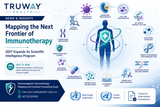
Mapping the Next Frontier of Immunotherapy: QSIT Expands Its Scientific Intelligence Program
Truway Health has expanded the scientific-intelligence framework supporting the Electromagnetic Immu...
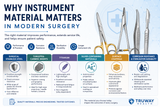
Why Instrument Material Matters in Modern Surgery
Material Is a Functional Decision, Not Just a Specification A surgical instrument may look simple, b...
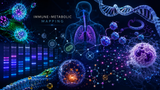
Today’s QSIT ImmunoNet Findings: Legionella, White Blood Cells, Ferroptosis, and the Future of Immune-Metabolic Mapping
A New Intelligence Layer for Immune Forecasting Today’s Truway Health QSIT ImmunoNet review focused...
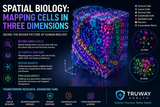
Spatial Biology: Mapping Cells in Three Dimensions
For decades, scientists have studied cells one at a time. Spatial biology is changing that by reveal...
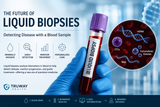
The Future of Liquid Biopsies: Detecting Disease with a Blood Sample
The Future of Liquid Biopsies: Detecting Disease with a Blood Sample Imagine detecting certain disea...