
How The Healthcare System in the U.S has evolved over the years?

The healthcare system in the United States has undergone significant changes over the years, with various initiatives and reforms aimed at improving access, quality, and affordability of care. Here is a brief overview of some key events and developments in the evolution of the U.S healthcare system:
- Pre-20th century: Prior to the 20th century, access to healthcare in the U.S was largely limited to the wealthy. Most people had to rely on home remedies or seek care from local healers or midwives.
- Early 20th century: The early 20th century saw the development of the first hospitals and the growth of the pharmaceutical industry. The Flexner Report of 1910, which evaluated the quality of medical education in the U.S, led to significant reforms in the training and certification of doctors.
- The Great Depression: The economic downturn of the 1930s led to the development of several government-funded healthcare programs, including the Hill-Burton Act of 1946, which provided federal funding for the construction of hospitals in underserved areas.
- Medicare and Medicaid: The passage of the Medicare and Medicaid Act in 1965 marked a significant milestone in the expansion of access to healthcare in the U.S. The act provided federal funding for the healthcare needs of seniors and low-income individuals, respectively.
- Managed care: The 1980s and 1990s saw the rise of managed care, in which healthcare providers and insurers worked together to control costs and improve quality of care. This led to the development of health maintenance organizations (HMOs) and preferred provider organizations (PPOs).
- Affordable Care Act: In 2010, the Affordable Care Act (ACA) was signed into law, with the goal of increasing access to healthcare and reducing costs. The ACA expanded Medicaid coverage, created state-based insurance exchanges, and introduced the individual mandate, which required most Americans to have health insurance.
- COVID-19 pandemic: The COVID-19 pandemic, which began in 2020, has had a significant impact on the U.S healthcare system. The pandemic has exposed vulnerabilities in the system and highlighted the need for reforms to improve access, quality, and affordability of care.
Overall, the healthcare system in the U.S has evolved significantly over the years, with various initiatives and reforms aimed at addressing the needs of the population and improving the overall quality of care. While the system still faces challenges, it continues to evolve and adapt to the changing needs of patients and the healthcare industry.
Truway Health News & Insights

3D Ultrasound vs. Traditional Ultrasound: What Is the Difference?
Introduction Ultrasound is one of the most widely used medical imaging technologies. It uses high-fr...

Autumn Healthcare Tips & Tricks: A Simple Guide to Staying Well This Season
As the leaves change, so do our routines. Autumn brings cooler temperatures, shorter days, changing...
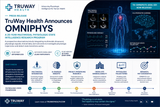
TruWay Health Announces OMNIPHYS: A 20-Year Multimodal Physiologic State Intelligence Research Program
PRESS RELEASE TruWay Health Announces OMNIPHYS: A 20-Year Multimodal Physiologic State Intellige...

Truway Health Announces ClinicalTrials.gov Registration of 50-Year Prospective Study Examining “Clinical Time” and Temporal Dynamics in Patient Health
PRESS RELEASE Truway Health Announces ClinicalTrials.gov Registration of 50-Year Prospective...

TruWay Health Advances FUSION-72 Study to Investigate Multimodal Digital Biomarkers for Acute Deterioration
TruWay Health Advances FUSION-72 Study to Investigate Multimodal Digital Biomarkers for Acute Deteri...

Truway Health Releases TRU-OMNIBODY Whole-Body Digital Twin and Physiologic Resilience Study
FOR IMMEDIATE RELEASE Truway Health Releases TRU-OMNIBODY Whole-Body Digital Twin and Physiologic Re...