
How has medicine evolved over the years?

Medicine has come a long way over the centuries, with significant advancements and breakthroughs in the diagnosis, treatment, and prevention of various diseases. From ancient times when people used herbs and plants for healing to modern medicine, which relies on advanced technologies and scientific knowledge, medicine has made significant progress.
Ancient Medicine
In ancient times, medicine was primarily based on traditional knowledge and practices that were passed down from generation to generation. In Egypt, the physicians practiced a combination of magical, religious, and medicinal treatments. Ancient Greek and Roman physicians, such as Hippocrates and Galen, were the first to document their medical practices and knowledge. They believed in treating the patient as a whole rather than just the disease, and their teachings laid the foundation for modern medicine.
Middle Ages
During the Middle Ages, medicine was heavily influenced by the Islamic world. Arabic physicians made significant contributions to the fields of anatomy, physiology, and pharmacology. They introduced the use of anesthetics and antiseptics and developed surgical techniques that are still in use today. In Europe, the bubonic plague, also known as the Black Death, swept across the continent, and physicians struggled to find effective treatments. However, the experience led to the establishment of quarantine measures and improved public health practices.
Renaissance
The Renaissance marked a period of significant advancement in medicine. The printing press made it easier to share knowledge and medical discoveries. The discovery of the circulation of blood by William Harvey was a significant breakthrough, as it laid the foundation for modern cardiology. The invention of the microscope led to the discovery of microorganisms and the development of germ theory.
Modern Medicine
The 19th and 20th centuries saw tremendous advancements in medicine. The discovery of X-rays and the development of anesthesia revolutionized surgery. The development of antibiotics and vaccinations enabled physicians to treat and prevent infectious diseases. The mapping of the human genome opened up new possibilities for personalized medicine and gene therapy.
Today, medicine is a highly specialized field, with doctors and researchers working in various disciplines such as cardiology, neurology, oncology, and more. Technology continues to play a significant role in medicine, with the development of new imaging techniques and minimally invasive surgeries. Telemedicine has also become increasingly popular, allowing patients to receive medical consultations and treatment remotely.
Medicine has evolved significantly throughout the years, from ancient times to modern medicine. As our knowledge and technology continue to advance, we can expect to see even more breakthroughs and advancements in the field of medicine in the years to come.
Truway Health News & Insights
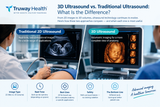
3D Ultrasound vs. Traditional Ultrasound: What Is the Difference?
Introduction Ultrasound is one of the most widely used medical imaging technologies. It uses high-fr...

Autumn Healthcare Tips & Tricks: A Simple Guide to Staying Well This Season
As the leaves change, so do our routines. Autumn brings cooler temperatures, shorter days, changing...
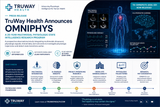
TruWay Health Announces OMNIPHYS: A 20-Year Multimodal Physiologic State Intelligence Research Program
PRESS RELEASE TruWay Health Announces OMNIPHYS: A 20-Year Multimodal Physiologic State Intellige...

Truway Health Announces ClinicalTrials.gov Registration of 50-Year Prospective Study Examining “Clinical Time” and Temporal Dynamics in Patient Health
PRESS RELEASE Truway Health Announces ClinicalTrials.gov Registration of 50-Year Prospective...

TruWay Health Advances FUSION-72 Study to Investigate Multimodal Digital Biomarkers for Acute Deterioration
TruWay Health Advances FUSION-72 Study to Investigate Multimodal Digital Biomarkers for Acute Deteri...
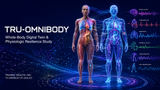
Truway Health Releases TRU-OMNIBODY Whole-Body Digital Twin and Physiologic Resilience Study
FOR IMMEDIATE RELEASE Truway Health Releases TRU-OMNIBODY Whole-Body Digital Twin and Physiologic Re...