
How to prepare for allergy season?
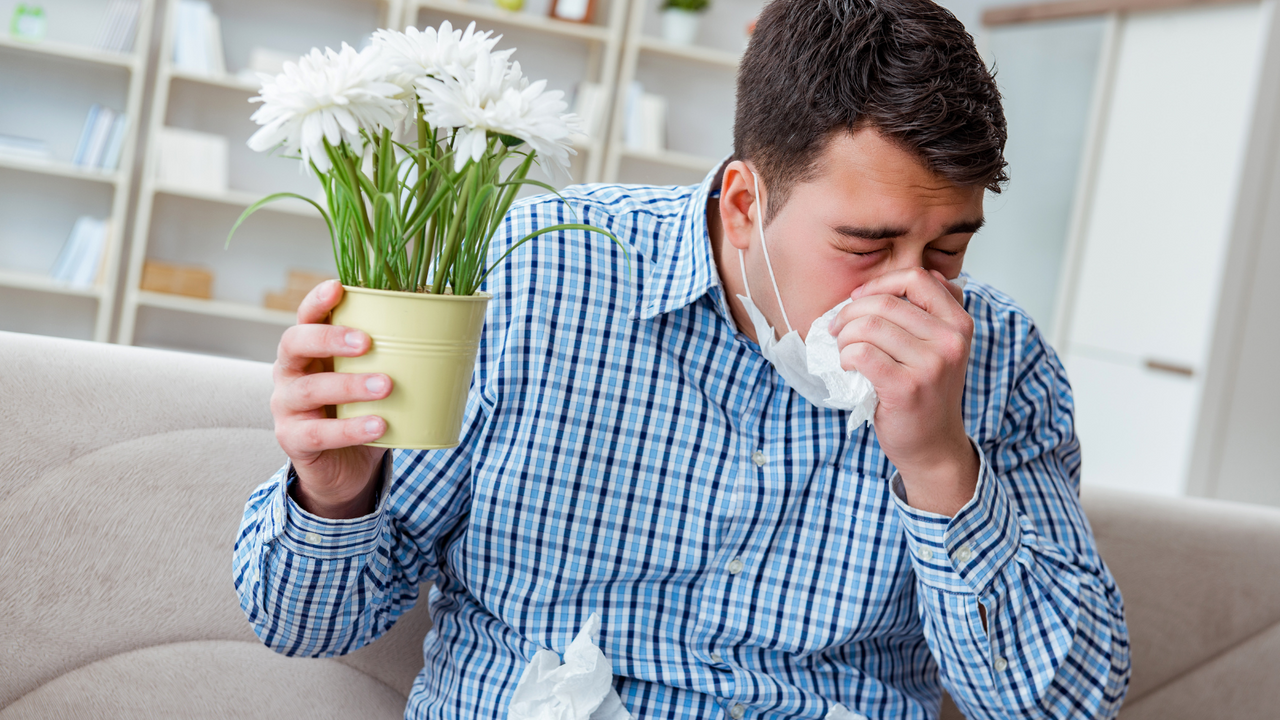
Allergy season can be a challenging time for people who suffer from allergies. It can cause discomfort and disrupt your daily activities. Allergies are caused by your body's immune system overreacting to a substance that is normally harmless. Some common allergens include pollen, dust mites, animal dander, and mold spores. Preparing for allergy season can help you alleviate symptoms and enjoy the season. Here are some tips to help you prepare for allergy season.
- Know your triggers: The first step in preparing for allergy season is to know your triggers. Different people may have different triggers. Some common triggers include pollen, grass, dust mites, and mold. By knowing your triggers, you can take steps to avoid them.
- Check the pollen count: Check the pollen count in your area. You can do this by checking your local weather forecast or online. If the pollen count is high, it may be best to stay indoors. If you need to go outside, consider wearing a mask.
- Keep your windows closed: Keep your windows and doors closed during allergy season. This will help prevent allergens from entering your home. Use an air conditioner instead of a fan to cool your home.
- Clean your home regularly: Regular cleaning can help reduce allergens in your home. Use a vacuum cleaner with a HEPA filter to remove dust, pollen, and pet dander. Wash your bedding and curtains regularly in hot water.
- Use a nasal rinse: Using a nasal rinse can help alleviate allergy symptoms. A nasal rinse can help flush out allergens from your nasal passages. You can purchase a nasal rinse kit at your local pharmacy.
- Take allergy medication: If your allergy symptoms are severe, you may need to take allergy medication. Antihistamines, decongestants, and nasal corticosteroids can help alleviate allergy symptoms. Consult with your doctor before taking any medication.
- Wear a mask: If you need to go outside during allergy season, consider wearing a mask. A mask can help filter out pollen and other allergens.
Preparing for allergy season can help you alleviate symptoms and enjoy the season. By knowing your triggers, checking the pollen count, keeping your windows closed, cleaning your home regularly, using a nasal rinse, taking allergy medication, and wearing a mask, you can reduce your exposure to allergens and feel better. Consult with your doctor if you have severe allergy symptoms or if you are unsure about any of these tips.
Truway Health News & Insights

Military Appreciation Month: Honoring Service, Sacrifice, and the Families Who Stand Behind Them
Each May, the United States observes Military Appreciation Month — a national period dedicated to re...

The Science of Auscultation: What Modern Stethoscopes Must Deliver for Accurate Diagnosis
Auscultation remains one of the most fundamental—and deceptively sophisticated—skills in clinical me...

Truway Health QSIT Program: Expanded Study on Human Telomere Dynamics and Immune Conditioning Systems
Study Identifier: NCT07221565 | Protocol ID: TWH-QSIT-IMMUNENET-2025-01 Truway Health, Inc. presents...

The Floor Never Lies: What the 2026 New York International Auto Show Tells Us About the Next Decade of Mobility
TruWay Health Industry Intelligence Memo · Automotive & Mobility The Floor Never Lies: What the...
Truway Health Announces Release of the LUMEN‑HAB Protocol: A Multiphase Operational Study Advancing Human Habitation Beyond Earth
April 11, 2026 — Manhattan, NY Truway Health, Inc. has formally released THI‑LUNAR‑GATEWAY‑MARS‑HAB‑...

How Fitness and Wellness Teams Unite with Healthcare for Better Patient Care
For medical professionals and healthcare procurement teams sourcing diagnostics and supplies, patien...