
How Fitness and Wellness Teams Unite with Healthcare for Better Patient Care
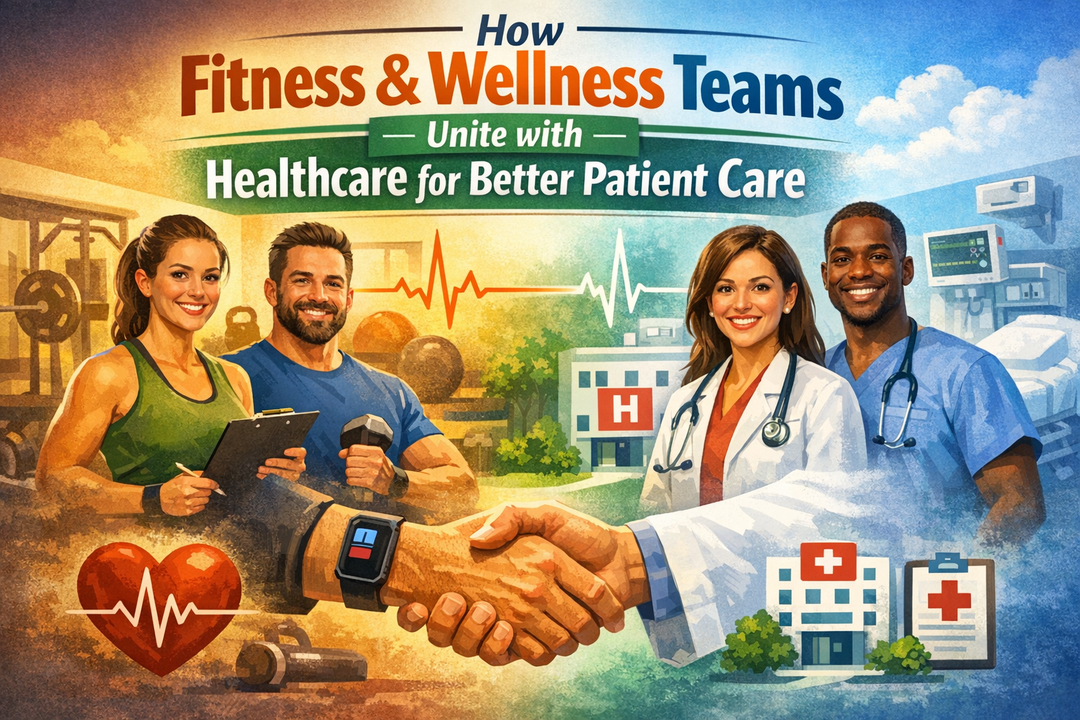
For medical professionals and healthcare procurement teams sourcing diagnostics and supplies, patient care is expanding beyond the clinic walls as fitness and wellness integration accelerates across clinical healthcare trends. The core tension is clear: whole-person health requires collaboration with personal trainers, wellness coaching roles, and other community partners, yet quality assurance, regulatory compliance, and supply reliability still sit squarely on medical providers. When those worlds stay separated, patients receive mixed messages and providers shoulder preventable risk. When healthcare provider collaboration is coordinated, care becomes consistent, accountable, and focused on what patients can sustain.
Understanding Whole-Person Health Team Roles
Whole-person care works best when each professional stays in their lane and still shares the same map. Clinical providers diagnose, manage risk, and set medical boundaries, while personal trainers build safe movement habits, nutritionists translate goals into everyday eating, and coaches use regular check-ins to remove barriers to change, reflecting the health coach definition.
This matters for procurement and clinical leaders because coordination prevents duplicate testing, conflicting advice, and avoidable escalations that strain staff and inventory. When teams struggle with handoffs, difficulty receiving updates can turn routine monitoring into urgent rework.
Think of a patient starting cardiac rehab after discharge. The clinician defines vitals thresholds, the trainer adjusts intensity, the nutritionist supports sodium targets, and the coach tracks adherence between visits. Everyone acts on the same plan, so your diagnostics and supplies match the care pathway.
Plan → Share → Monitor → Adjust Together
This workflow turns good intentions into a steady care coordination workflow that is easy to follow across settings. For healthcare providers managing patient health monitoring, it creates predictable touchpoints where diagnostic needs, documentation, and supply availability can be confirmed before problems escalate. It also simplifies information exchange in healthcare so wellness updates translate into clinically usable signals.
|
Stage |
Action |
Goal |
|
Align on intake |
Confirm diagnosis, risks, readiness, and patient preferences |
Shared starting point and safety boundaries |
|
Co-write the plan |
Set targets, roles, red flags, and communication protocols |
One integrated wellness planning document |
|
Resource and equip |
Confirm devices, forms, referrals, and training for use |
Patient can measure and report consistently |
|
Deliver weekly supports |
Run sessions, reinforce habits, and log barriers |
Adherence improves without conflicting guidance |
|
Monitor and interpret |
Review trends, symptoms, and threshold breaches |
Early course-corrections, fewer urgent escalations |
|
Adjust and document |
Update plan, notify stakeholders, and schedule next check |
Collaboration stages stay synchronized |
When each stage feeds the next, your team spends less time chasing updates and more time acting on clear signals. The plan anchors daily coaching, monitoring validates progress, and adjustments keep care safe while keeping operations predictable.
Habits That Keep Clinical and Wellness Care in Sync
When fitness, nutrition, and clinical teams repeat the same small actions, patient updates become clearer, safer, and easier to act on. These habits also help providers who rely on dependable medical supplies and diagnostic equipment anticipate demand, confirm usability, and keep monitoring consistent over time.
Five-Minute Signal Scan
- What it is: Review vitals, symptoms, and adherence notes for two key risk trends.
- How often: Daily
- Why it helps: Small shifts get addressed early, before they become urgent visits.
Device Readiness Reset
- What it is: Check cuffs, strips, batteries, and cleaning steps for home-use monitoring tools.
- How often: Weekly
- Why it helps: Fewer false readings means fewer confusing handoffs between teams.
Two-Goal Coaching Script
- What it is: Use one strength goal and one recovery goal with every patient touch.
- How often: Per session
- Why it helps: Consistent language supports better follow-through and fewer mixed messages.
Digital Check-In Loop
- What it is: Use digital behavior change interventions to capture activity, sleep, and barriers.
- How often: Weekly
- Why it helps: It turns wellness observations into trackable data clinicians can interpret.
Teach-Back for Self-Monitoring
- What it is: Ask patients to demonstrate logging and explain what thresholds mean.
- How often: Per milestone
- Why it helps: It reinforces knowledge and self-efficacy for safer self-care.
Common Questions About Integrated Care Teams
Q: How do personal trainers, nutritionists, and wellness coaches work together with physicians to improve whole-person health?
A: They align on shared goals, safety limits, and simple measurements such as BP trends, sleep, and function. A practical next step is to standardize a one page referral and plan template that lists diagnoses, contraindications, red flags, and two lifestyle goals. Then keep everyone accountable with brief update notes tied to measurable outcomes.
Q: What roles do nurse practitioners play in connecting clinical healthcare with fitness and wellness services?
A: Nurse practitioners translate medical findings into actionable, safe lifestyle guidance and close gaps when symptoms change. They can triage concerns, adjust monitoring frequency, and coordinate referrals so wellness work stays inside clear clinical guardrails. Ask NPs to own the shared plan, including what should be documented and when to escalate.
Q: In what ways does integrating fitness and wellness into clinical care help reduce patient stress and feelings of overwhelm?
A: Patients stop receiving conflicting instructions because goals, language, and checkpoints become consistent. Clear escalation rules reduce anxiety about what is “normal” versus urgent, especially with home monitoring. This structure also normalizes setbacks and keeps progress focused on small, doable steps.
Q: How can collaboration among healthcare and wellness professionals simplify health management for patients?
A: Use one shared schedule for check ins, one set of thresholds, and one place to store updates so patients do not repeat their story. If you need to share the plan externally, a PDF file converter can help.
Q: How can healthcare providers ensure they have access to reliable and quality medical supplies to support this integrated health approach?
A: Start by mapping which measurements your integrated plan depends on, then stock supplies to match those workflows and patient volumes. Build a simple quality checklist for calibration, lot tracking, storage, and patient instruction so readings remain trustworthy across settings. Confirm vendor documentation, set reorder points, and designate one staff role to audit readiness regularly.
Start Small to Align Fitness and Clinical Care Plans
When fitness guidance lives in one lane and medical care in another, patients get mixed messages and follow-through slips. A holistic healthcare approach closes that gap by normalizing fitness and medical collaboration around shared goals, clear documentation, and mutual respect, empowering health teams to deliver whole-person wellness without adding chaos. When this mindset becomes routine, integrated patient care feels consistent across visits, and patients experience steadier progress they can trust. Coordinated care works when every team member reinforces the same plan. Choose one next step to do this week: pilot a shared referral/plan template with one colleague and align on what gets documented and when. That small rhythm is how healthcare provider encouragement turns into long-term resilience, stability, and better outcomes.
Truway Health News & Insights

How Fitness and Wellness Teams Unite with Healthcare for Better Patient Care
For medical professionals and healthcare procurement teams sourcing diagnostics and supplies, patien...
How Biomarkers Are Redefining Early Disease Detection
Early disease detection has always been one of the most powerful tools in medicine—but historically,...

Artemis: The Next Giant Leap for Human Health, Exploration, and Innovation
Artemis: The Next Giant Leap for Human Health, Exploration, and Innovation At Truway Health, we beli...

Best Ways to Verify Medical Device Authenticity in 2026
Best Ways to Verify Medical Device Authenticity in 2026 Counterfeit medical devices are a growin...
Redefining EMS Bags & Trauma Kits: The Next Generation of Emergency Readiness
In emergency medicine, seconds define outcomes. At Truway Health, we are transforming EMS bags and t...

Allergy Season 2026: What to Expect, How to Prepare, and the Truway Health Protocol™
Allergy Season 2026: What to Expect, How to Prepare, and the Truway Health Protocol™ By Truway Healt...