
How Biomarkers Are Redefining Early Disease Detection
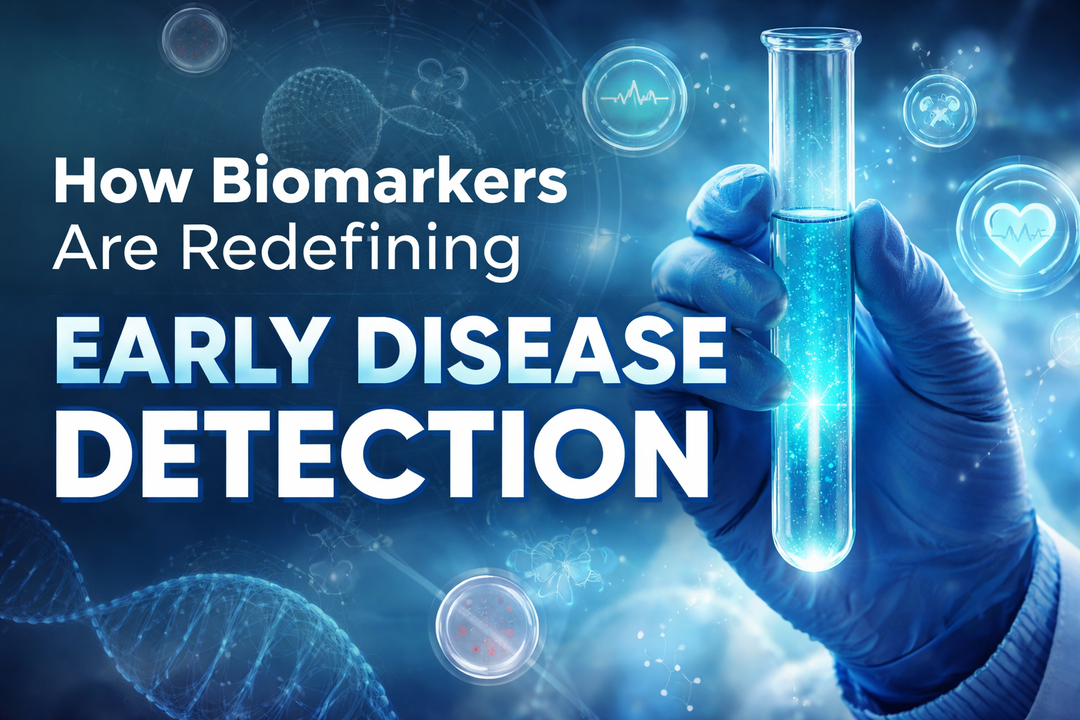
Early disease detection has always been one of the most powerful tools in medicine—but historically, it relied on symptoms, imaging, or late-stage lab abnormalities. Today, that paradigm is shifting. Biomarkers are transforming healthcare from reactive treatment to predictive prevention.
We are entering an era where diseases can often be identified before symptoms begin, enabling earlier intervention, better outcomes, and lower long-term costs.
What Are Biomarkers?
Biomarkers are measurable biological indicators of health or disease. They can be found in:
- Blood
- Urine
- Saliva
- Tissue samples
- Wearable sensor data (in modern digital health systems)
They reflect what is happening inside the body at a molecular or cellular level.
Common examples include:
- Blood glucose (diabetes monitoring)
- Troponin (heart damage detection)
- C-reactive protein (inflammation)
- Cholesterol levels (cardiovascular risk)
- Genetic markers (disease predisposition)
Why Biomarkers Matter for Early Detection
Traditional medicine often waits for symptoms to appear. Biomarkers flip this model by revealing internal changes before clinical symptoms arise.
1. Detecting Disease Before Symptoms Start
Many chronic conditions—like cardiovascular disease, diabetes, and certain cancers—develop silently over years. Biomarkers can detect early warning signs long before a patient feels unwell.
2. Enabling Personalized Risk Profiles
Instead of generalized treatment plans, biomarker data allows clinicians to build individualized risk profiles based on biology, not assumptions.
3. Monitoring Disease Progression in Real Time
Biomarkers allow continuous tracking of how a condition is evolving, enabling faster adjustments in treatment.
Key Areas Where Biomarkers Are Transforming Healthcare
Cardiovascular Disease
Inflammatory and lipid biomarkers can identify cardiovascular risk years in advance, enabling early lifestyle and medical interventions.
Neurological Disorders
Emerging biomarkers are helping researchers detect early signs of Alzheimer’s and Parkinson’s disease before cognitive decline becomes severe.
Oncology (Cancer Detection)
Liquid biopsies and circulating tumor DNA are allowing cancers to be detected through simple blood tests rather than invasive procedures.
Infectious Disease
Biomarkers such as immune response proteins can help distinguish viral from bacterial infections quickly and accurately.
The Rise of Digital Biomarkers
Beyond traditional lab tests, healthcare is now integrating digital biomarkers, including:
- Heart rate variability (HRV)
- Sleep quality patterns
- Activity and movement data
- Continuous glucose monitoring trends
- Respiratory rate and oxygen saturation
These are collected through wearables and connected devices, creating continuous health surveillance rather than one-time snapshots.
AI + Biomarkers: A Major Breakthrough
The true power of biomarkers emerges when combined with artificial intelligence.
AI systems can:
- Detect subtle patterns across thousands of biomarker signals
- Predict disease risk earlier than human analysis
- Identify correlations between lifestyle and biological changes
- Recommend personalized interventions in real time
This combination is rapidly redefining preventive medicine.
Challenges and Ethical Considerations
While biomarkers offer enormous potential, they also raise important concerns:
- Data privacy: Sensitive biological data must be securely protected
- Overdiagnosis: Not all abnormalities indicate disease
- Cost and access: Advanced testing may not yet be universally available
- Interpretation complexity: Biomarkers require expert analysis to avoid misdiagnosis
The healthcare industry must balance innovation with responsibility.
The Future: Predictive, Preventive, and Personalized Medicine
The long-term vision is clear: healthcare will move from treating illness to predicting and preventing it entirely.
In this future:
- Annual checkups become continuous monitoring
- Diseases are intercepted before they become chronic
- Treatment is tailored to individual biology
- Patients gain real-time visibility into their health trajectory
How Truway Health Fits Into This Evolution
Platforms like Truway Health represent the shift toward integrated, data-driven wellness ecosystems—where biomarker insights, digital tools, and personalized recommendations converge into a single health experience.
Final Thoughts
Biomarkers are no longer just diagnostic tools—they are becoming the foundation of a new healthcare model. As technology advances, they will play a central role in detecting disease earlier, personalizing treatment, and ultimately extending healthy lifespan.
The future of medicine isn’t just about curing disease.
It’s about seeing it coming—long before it starts.
Truway Health News & Insights
How Biomarkers Are Redefining Early Disease Detection
Early disease detection has always been one of the most powerful tools in medicine—but historically,...
Artemis: The Next Giant Leap for Human Health, Exploration, and Innovation
Artemis: The Next Giant Leap for Human Health, Exploration, and Innovation At Truway Health, we beli...
Best Ways to Verify Medical Device Authenticity in 2026
Best Ways to Verify Medical Device Authenticity in 2026 Counterfeit medical devices are a growin...
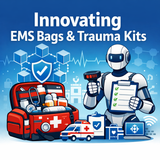
Redefining EMS Bags & Trauma Kits: The Next Generation of Emergency Readiness
In emergency medicine, seconds define outcomes. At Truway Health, we are transforming EMS bags and t...

Allergy Season 2026: What to Expect, How to Prepare, and the Truway Health Protocol™
Allergy Season 2026: What to Expect, How to Prepare, and the Truway Health Protocol™ By Truway Healt...

The Caduceus as Corporate Identity: Symbol, Science, and the Semiotics of Medical Authority
NEW ENGLAND JOURNAL OF MEDICINE | PERSPECTIVES | Medical Symbology & Identity PERSPECTIVES The...