
How to keep your O.R organized and efficient

Keeping an operating room (O.R.) organized and efficient is essential for providing safe and effective patient care. Here are some tips for maintaining an organized and efficient O.R.:
- Standardize processes and procedures: Develop and implement standardized processes and procedures for each step of a surgical procedure. This can include pre-operative, intra-operative, and post-operative processes.
- Organize supplies and equipment: Keep all necessary supplies and equipment in designated locations within the O.R. Make sure they are easily accessible and stored in a way that minimizes clutter.
- Create a cleaning routine: Develop a regular cleaning routine for the O.R. to maintain a sterile environment. This should include proper disposal of hazardous waste and proper disinfection of all surfaces.
- Optimize workflow: Optimize the workflow of the O.R. to minimize the amount of time that patients spend under anesthesia. This can include scheduling surgeries efficiently and coordinating with other departments to ensure timely and coordinated patient care.
- Foster clear communication: Communication is critical in the O.R. Establish clear communication protocols and encourage open communication between all members of the surgical team.
- Ensure adequate staffing: Ensure that the O.R. has adequate staffing levels to support efficient and safe patient care. This includes having enough surgeons, anesthesiologists, nurses, and support staff.
- Invest in technology: Use technology to streamline processes and improve efficiency. This can include electronic health records, digital imaging, and other tools that help automate tasks and reduce manual work.
By following these tips, you can create an organized and efficient O.R. that promotes safe and effective patient care.
Truway Health News & Insights

Introducing NeuroVista: Truway Health’s Research Platform for Imaging and Connected Medical Data
Understanding medical data requires more than a clear image or a single measurement. Researchers als...

Clinical Technology Outlook 2026–2030: From Isolated Measurements to Continuous, Connected Care
Clinical technology is entering a new phase. For decades, healthcare has largely been organized arou...

Inside an Injectable-Vial Production Line: Washing, Filling and Capping
Injectable medicines demand one of the most tightly controlled manufacturing environments in healthc...

A Guide for Caregivers to Earn More with Manageable Side Jobs
Senior caregivers often carry a quiet double load: providing steady, attentive care while absorbing...
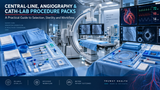
Understanding Central-Line, Angiography, and Cath-Lab Procedure Packs
In vascular access and interventional medicine, preparation is directly connected to efficienc...
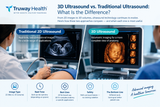
3D Ultrasound vs. Traditional Ultrasound: What Is the Difference?
Introduction Ultrasound is one of the most widely used medical imaging technologies. It uses high-fr...